
Creating a Calm and Hygge After-School Routine

Is Your Child Falling Apart After School? Mine Does Too.
For a long time, I used to wonder why my son seemed to unravel the moment I collected him.
I'd arrive at nursery to hear he'd had a lovely day.
He'd been kind.
Engaged.
Helpful.
Happy.
And then we'd get to the car and suddenly everything felt harder.
The tears.
The silliness.
The big emotions.
The refusal to put a seatbelt on.
The complaints about things that hadn't seemed to matter five minutes earlier.
As both an early years teacher of over 20 years and a mum, I now know this isn't unusual at all.
In fact, it's incredibly common.
Because the school day asks a lot of young children.
They navigate friendships.
Follow routines.
Manage expectations.
Process noise.
Cope with transitions.
Regulate emotions.
And by the time they tumble through the door, they're often carrying far more than we realise.
This is why I've stopped thinking about after-school time as another part of the day to fill.
Instead, I see it as a landing space.
A chance to reconnect.
To regulate.
To simply be together.
And honestly?
It's transformed our evenings.
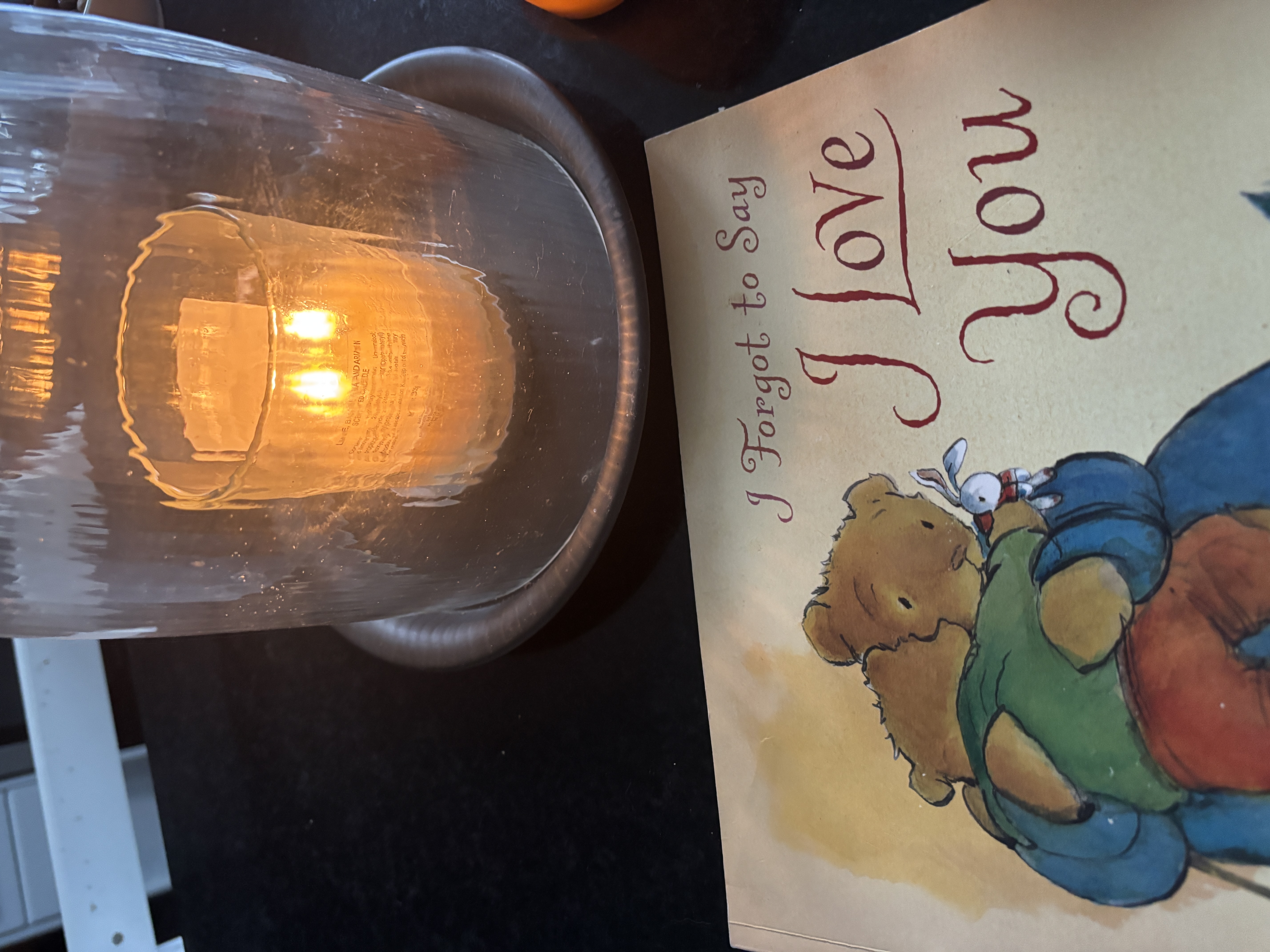
The Simple Ritual That Changed School Pick-Up
One of the best decisions I made was slowing down the collection itself.
Rather than rushing straight to the car, I now park a little further away.
That short walk becomes our reconnection time.
No pressure.
No questions.
No interrogation about what happened at nursery.
Just walking.
Talking.
Noticing.
Sometimes we look for birds.
Sometimes we kick leaves.
Sometimes we simply walk in silence.
Then we sit together in the boot of the car and share a snack.
Usually something sensory and refreshing.
Orange slices.
Apple.
Grapefruit.
Something that helps wake up tired bodies and gently reset busy nervous systems.
Then we drive home listening to Oliver's favourite music or an audio story.
The difference this tiny ritual makes is remarkable.
Not because it's complicated.
But because it's calm.
Why Children Often Need Less After School, Not More
One of the biggest lessons Hygge has taught me is this:
When children are overwhelmed, they rarely need more stimulation.
They need less.
Less noise.
Less rushing.
Less pressure.
Less expectation.
And more connection.
More predictability.
More opportunities to regulate.
Which is why a Hygge-inspired after-school rhythm can be so powerful.
Not because it's another thing to add to your day.
But because it helps remove some of the things that are making family life feel harder.
🌙 Step 1: Create an Arrival Ritual
Think of this as the bridge between school life and home life.
When Oliver comes home, his bear onesie is usually waiting in the hallway.
It's become part of our rhythm.
A signal that the busy part of the day is over.
You might:
✨ Turn on lamps instead of bright lights
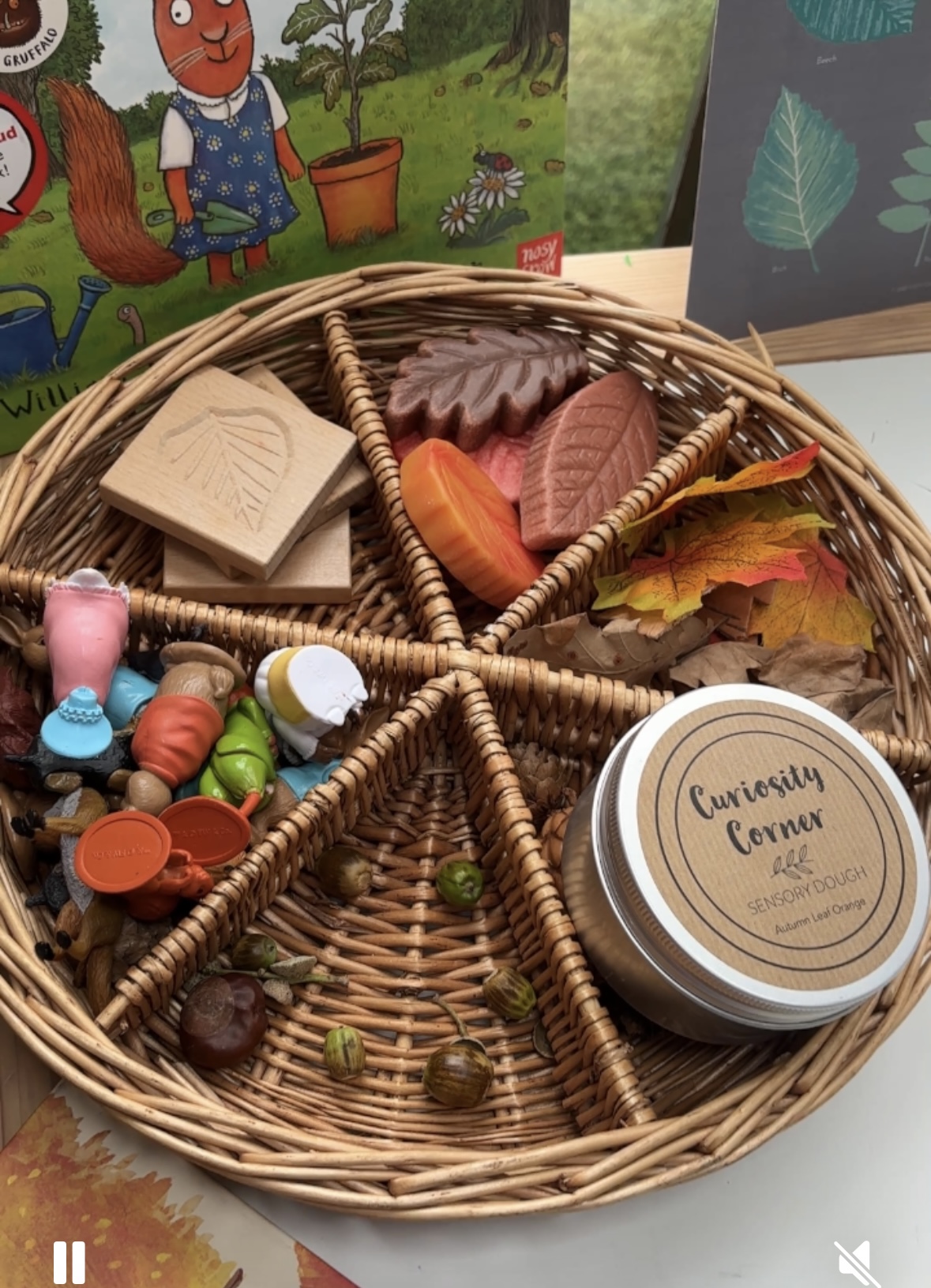
✨ Light a candle
✨ Put on gentle music
✨ Change into cosy clothes
✨ Share a cuddle on the sofa
Small sensory cues tell children:
"You're safe now. You can relax."
🍎 Step 2: Prioritise Connection Before Questions
One thing I stopped doing was bombarding Oliver with questions the second I collected him.
"What did you do today?"
"Who did you play with?"
"What did you learn?"
Often children need space before they can process their day.
Instead, try gentle invitations:
💛 What made you smile today?
💛 What was your favourite part of the day?
💛 What felt cosy today?
Sometimes the best conversations happen later when children feel ready.
🌿 Step 3: Leave Space for Decompression
Many children spend the day holding themselves together.
Then they get home and let everything out.
That's not bad behaviour.
That's trust.
Offer simple, child-led ways to unwind:
📚 Books
🎧 Audiobooks
🧩 Puzzles
🧱 Lego
🎨 Drawing
🌳 Outdoor play
For younger children, water play, playdough or a warm bath can work wonders.
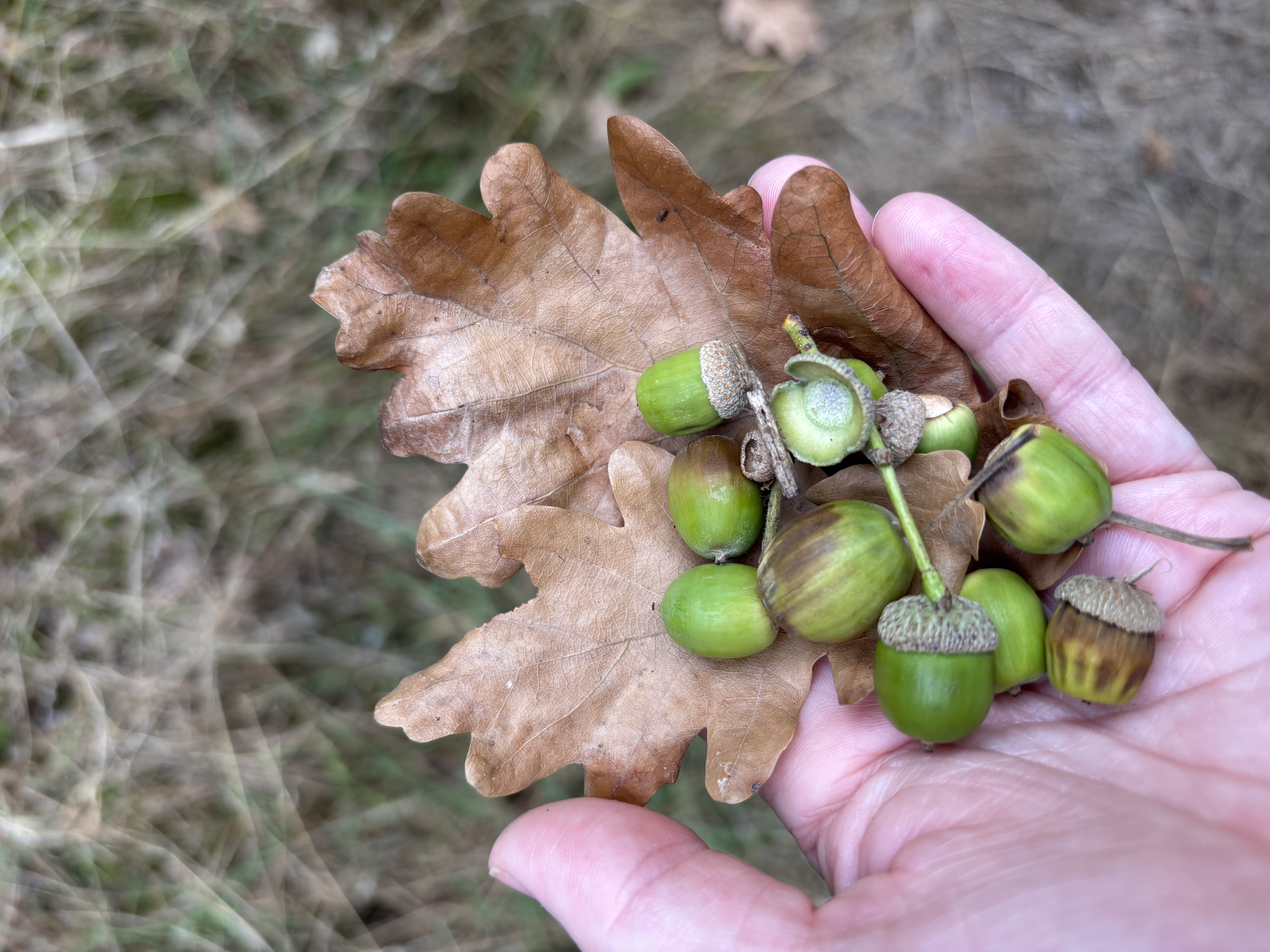
🍂 Step 4: A Nature Pause
Even 15 minutes outdoors can work wonders. It’s grounding, regulates energy, and reconnects us with the season.
-
Take a walk around the block.
-
Collect leaves, acorns, or conkers.
-
Swing in the garden or lie on the grass watching the sky.
This gentle reset prepares everyone for a calmer evening.
🕯 Step 5: Shared Activity
Togetherness is at the heart of hygge. Choose something low-pressure and cosy:
-
Stir a soup or bake bread together.
-
Work on a jigsaw puzzle.
-
Listen to an audio story with the lights dimmed and candles glowing.
-
Do a simple seasonal craft using natural materials.
✨ Step 6: Evening Rhythm
As the evening unfolds, keep transitions predictable. Dim the lights, close the curtains, and add soft music. Allow children to settle into independent play or quiet time while you prepare dinner.
A consistent rhythm — even if it’s just snack → play → outdoors → together activity → dinner — helps children feel secure and calm.
Hygge Wisdom for After-School Calm
-
Less is more: you don’t need a full schedule. One or two small rituals can transform the mood.
-
Lean into the senses: soft textures, warm drinks, calming scents, gentle lighting.
-
Presence matters more than perfection. Children thrive on knowing you’re with them, not rushing them.
If You're Tired of Feeling Like Everything Has To Be Bigger, Better and Busier...
This is the conversation I have with parents and educators every single week.
They're exhausted.
Children are overwhelmed.
Everyone feels like they're doing more and getting less.
That's why I created my free training.
🌿 FREE TRAINING: 3 Steps to Creating a Calmer, More Engaged Early Years Environment
Inside this free training, I'll show you:
✨ Why so many children are struggling with regulation and overwhelm
✨ The Scandinavian-inspired principles that create calmer, happier children
✨ The simple changes that transform behaviour without rewards, punishments or endless interventions
✨ How to create more connection, calm and joy at home and in your setting
Thousands of educators and parents have already joined me and discovered that the answer isn't doing more.
It's creating the conditions where children can thrive.
👉 Join the free training Watch Here!
Because childhood doesn't need to feel rushed.
And neither do you. 🤍
Have you tried my FREE Introduction to Hygge Training yet?
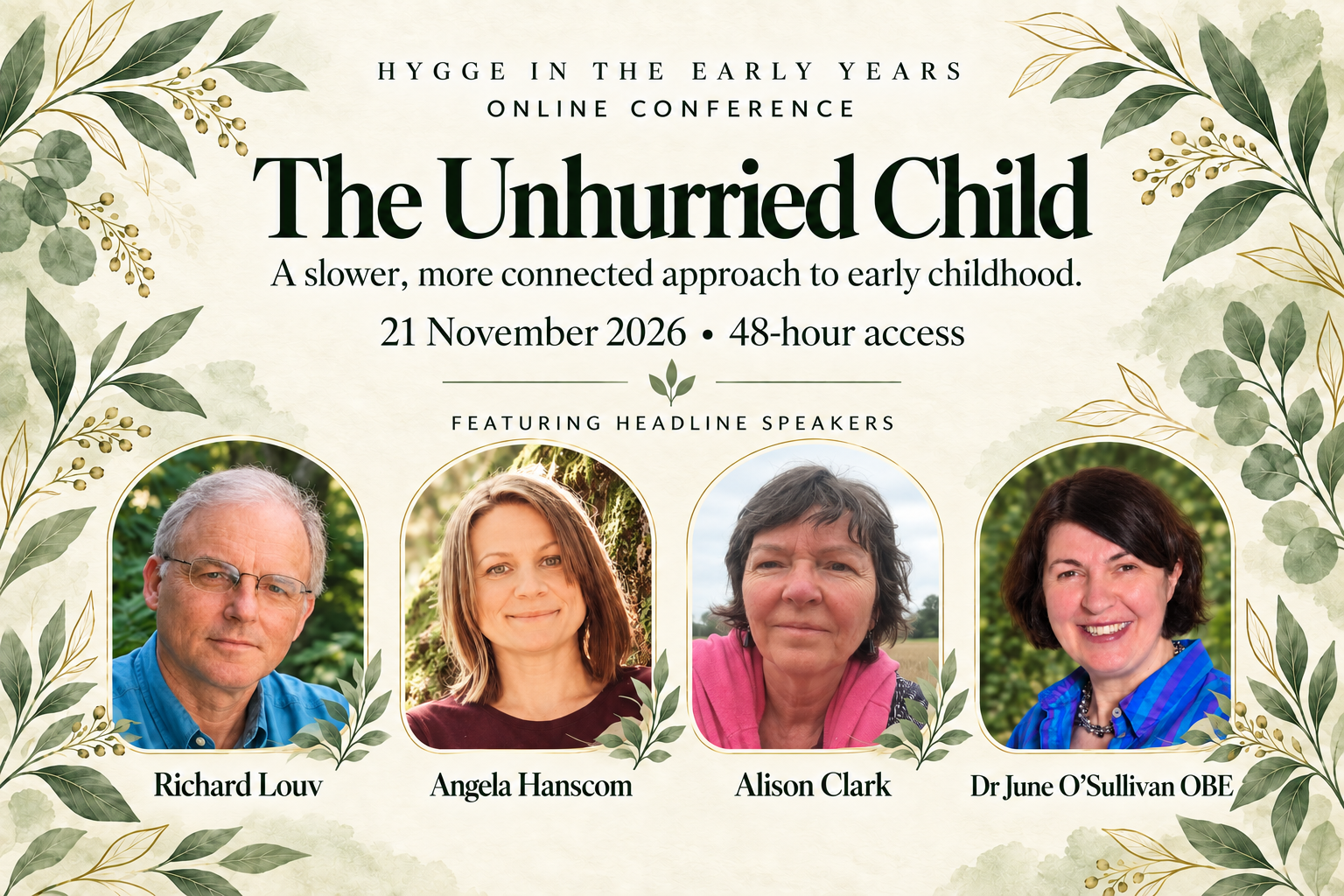
Online Conference
Online Conference
Curious about slow pedagogy?
”The Unhurried Child"
21st November 2026 (48 hour access)
A slower, more connected whole child approach to early childhood.
One inspiring online conference for educators ready to protect play, nurture wellbeing and give childhood back it's time.
