
Please Don’t Reduce a Four-Year-Old to a List of Things They Cannot Yet Do
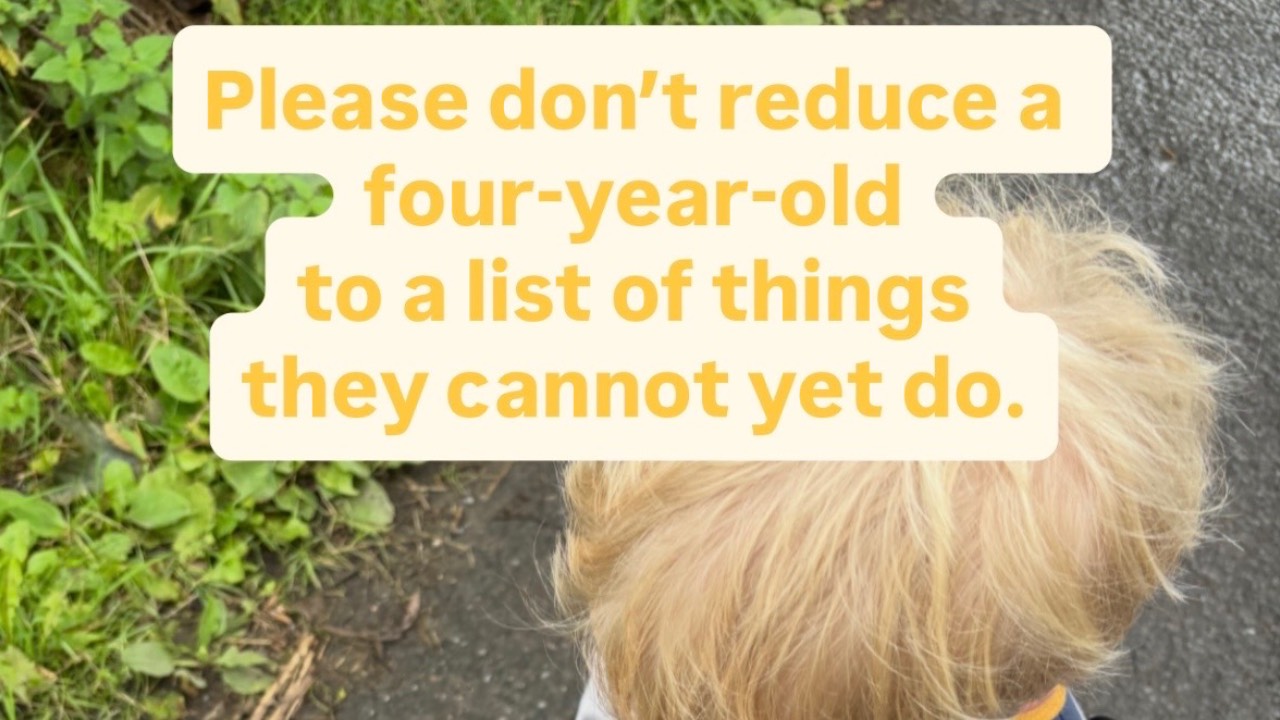
Why Reception baseline should be the beginning of knowing a child—not a judgement on who they are.
It's Reception baseline season
As children settle into Reception, practitioners are asked to find out what they already know and can do.
- Can they count?
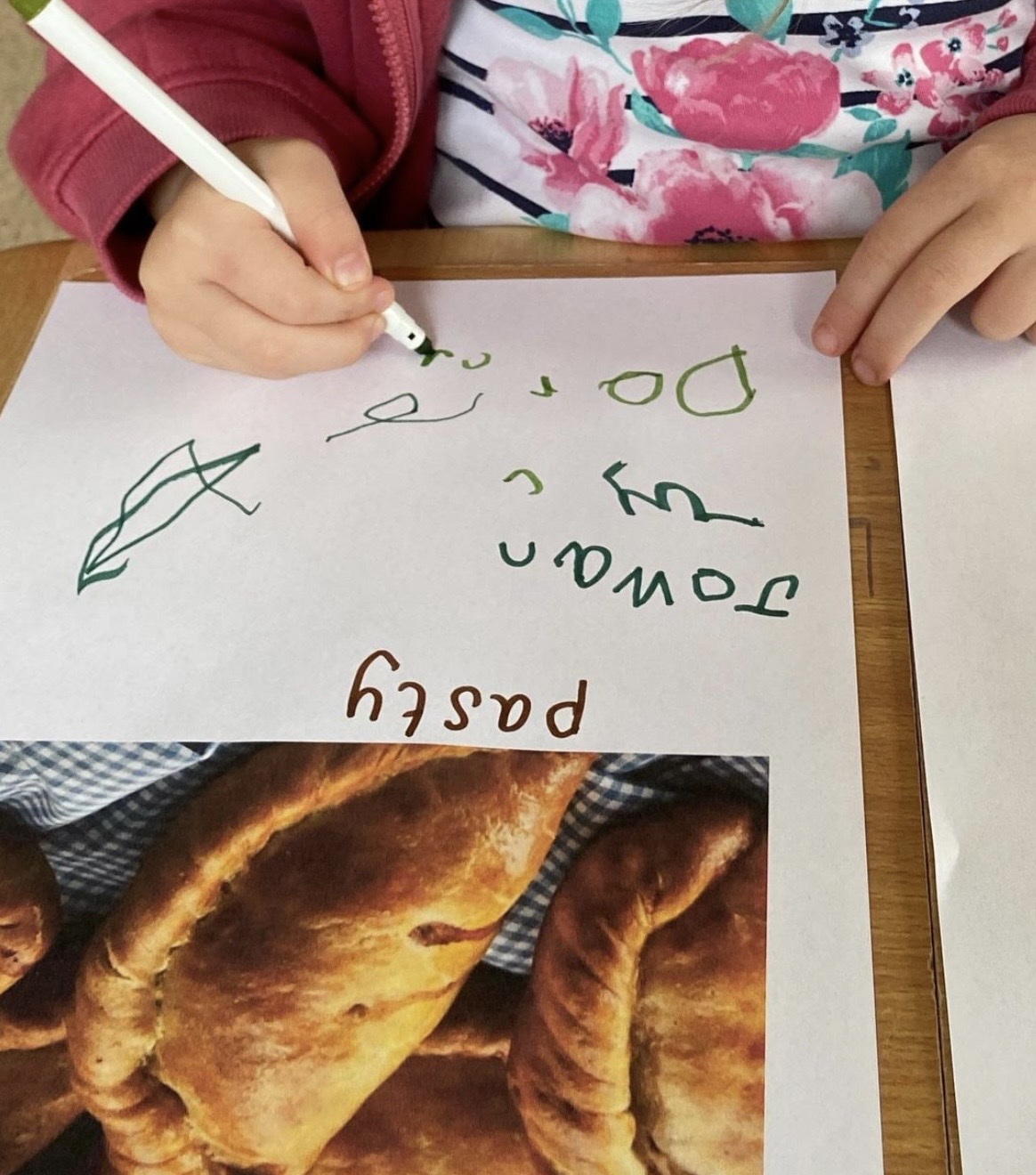
- Can they recognise their name?
- Can they hold a pencil?
- Can they hear an initial sound?
These things can give us useful information. Assessment, when used thoughtfully, can help us notice where a child might need support and plan what comes next.
But there is a danger when the things that are easiest to measure become the things we value most.
Because sitting in front of us is not a collection of gaps waiting to be filled. It is a wonderfully complex four-year-old.
- The child who makes everybody laugh.
- Who notices the tiniest snail in the garden.
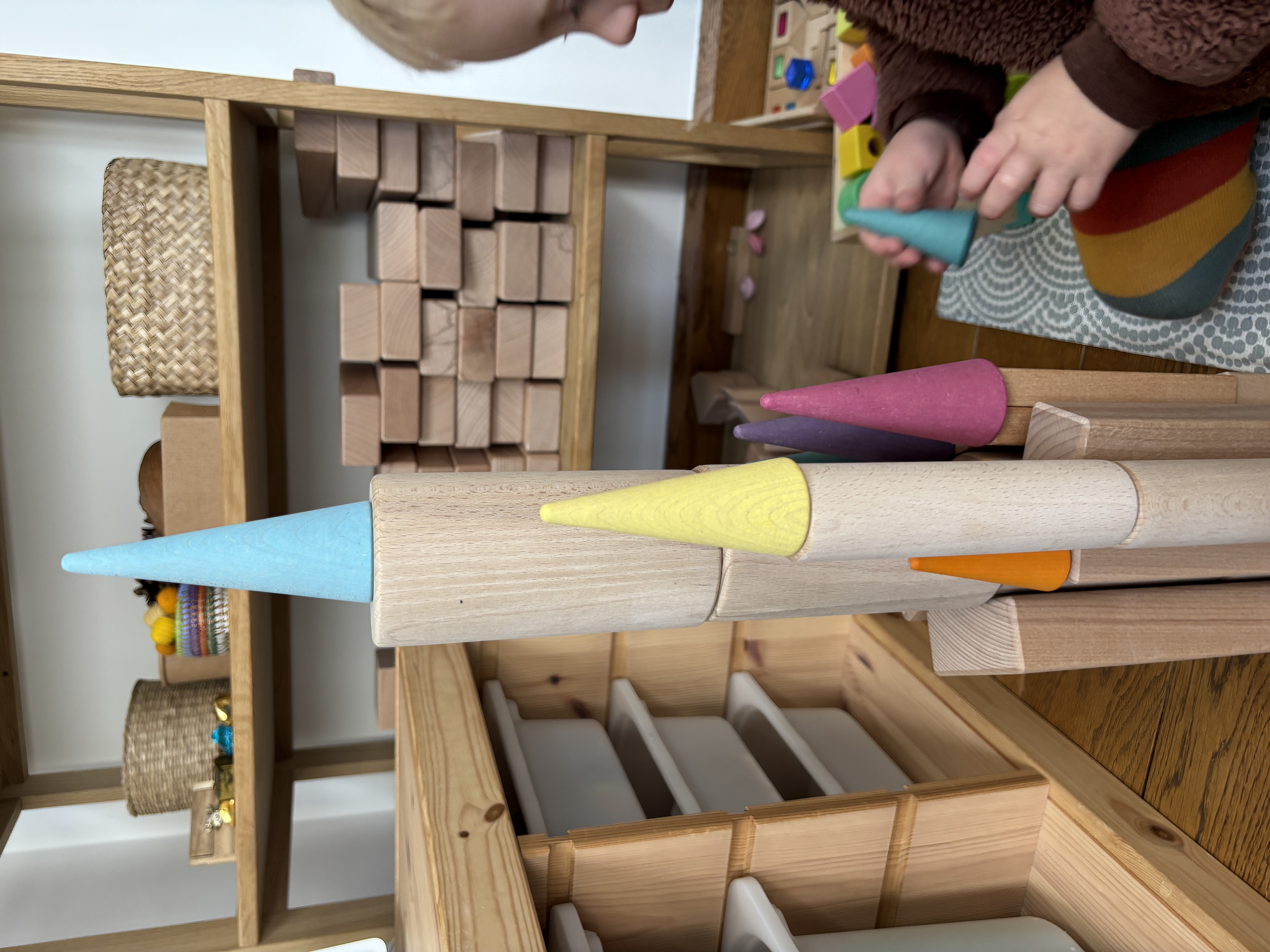
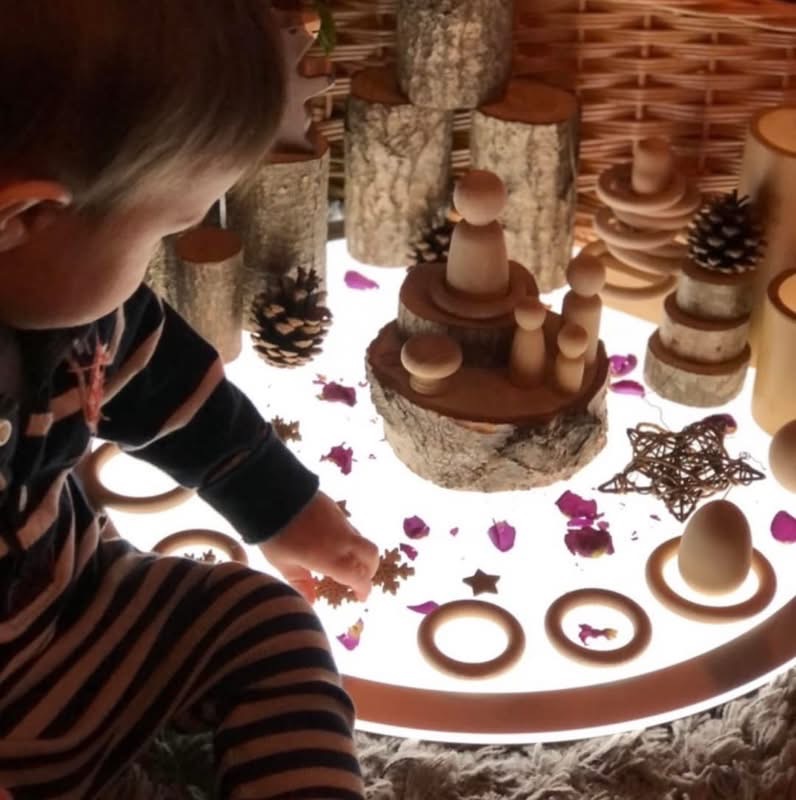
- Who can build an entire world from wooden blocks.
- Who comforts a friend when they are sad.
- Who has endless questions, brilliant ideas and stories they cannot wait to share.
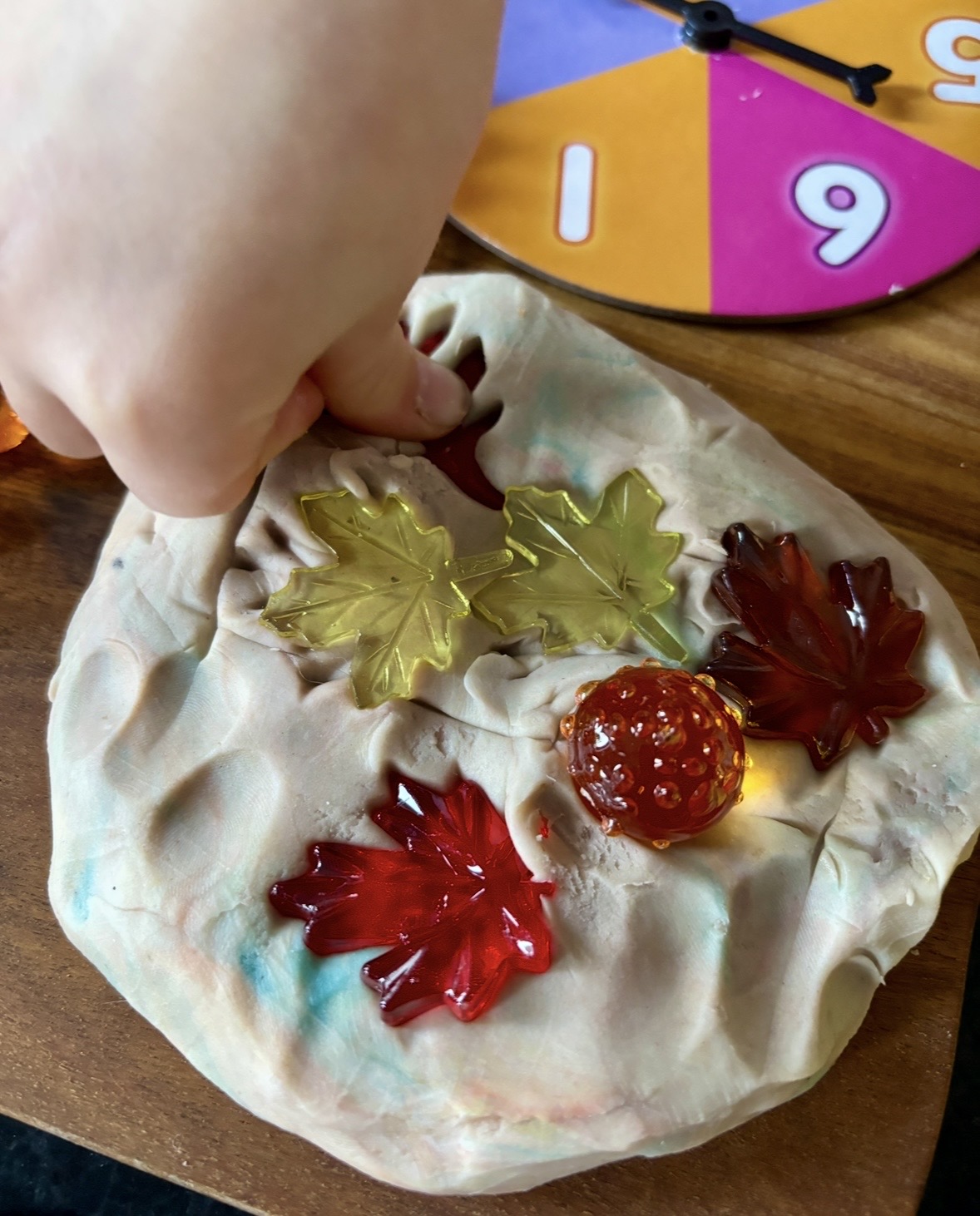 A baseline should help us begin to understand a child. It should never reduce them to a list of things they cannot yet do.
What if the change begins with how we see the child?
If you’re longing to create an Early Years environment where children are not hurried, compared or reduced to a checklist, my free training is the perfect place to begin.
I’ll help you explore how to create calmer, more connected and genuinely child-centred practice—where play is protected, relationships come first and every child is valued for who they are, not only for what they can already demonstrate.
Because childhood isn’t a race.
And Reception is not Year 1.
Access my free training here and begin creating an approach that sees, supports and celebrates the whole child.
What the Reception Baseline Assessment is—and what it is not
The statutory Reception Baseline Assessment in England is carried out during a child’s first six weeks in Reception. It looks at early mathematics and early literacy, communication and language.
Its national purpose is to create a starting point from which the progress made by a school’s cohort can later be measured through to the end of Key Stage 2. The Department for Education also makes clear that the assessment framework should not be used to direct teaching and learning.
That distinction matters.
The statutory assessment captures a narrow—but useful—snapshot. It cannot capture the whole child, and it was never designed to do so.
It cannot tell us everything about a child’s humour, kindness or imagination. It does not show us what fascinates them outdoors, how they enter play, what helps them feel safe or how they respond when something is difficult.
Those things are not optional extras. They are part of knowing the child we are going to teach.
The contradiction of a digital baseline
There is also a contradiction here that is difficult to ignore. The statutory Reception Baseline Assessment in state-funded schools must now be administered using two connected digital devices, with four-year-olds responding to some questions on a touchscreen.
This comes at the very same time that we are increasingly questioning young children’s exposure to screens and recognising the importance of real conversation, relationships, play and hands-on experiences.
Not all adult-guided screen use is harmful, but placing a touchscreen within one of our first attempts to understand a child feels deeply at odds with the direction Early Years practice should be taking.
A digital system may make assessment easier to standardise and process, but administrative convenience should not determine what is developmentally appropriate. Surely we learn more about a four-year-old by sitting beside them, playing, talking, observing and listening to their family than we ever could through a series of prescribed responses on a screen.
A four-year-old is not a score
Children arrive in Reception with very different experiences.
Some will confidently talk to an unfamiliar adult. Others need time, familiarity and connection before we see everything they know.
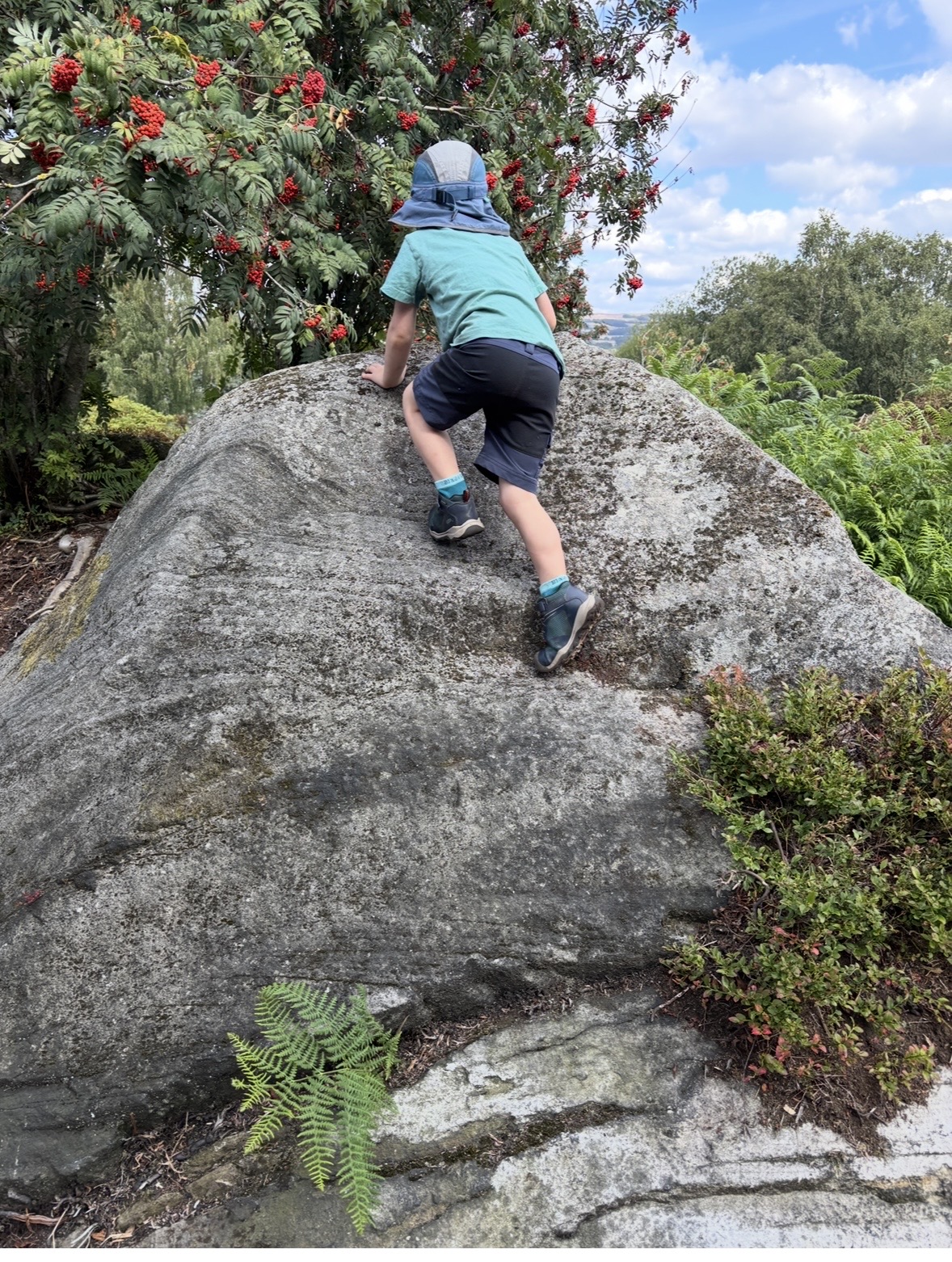
Some have spent the summer drawing and writing. Others have been climbing, building, cooking, talking, imagining, caring for siblings or exploring outdoors.
Some are among the oldest in the year. Others have only just turned four.
Some are learning more than one language. Some have speech, hearing, sensory or developmental differences. Some are still working out whether this new adult and unfamiliar room feel safe enough for them to take a risk.
What we observe in one short moment is affected by confidence, language, tiredness, relationships, previous experience and the environment itself.
This does not make assessment meaningless. It reminds us to hold the information lightly, professionally and alongside everything else we learn through observing, listening and playing with the child.
This feels personal to me too
This year, I am experiencing Reception not only as an Early Years professional, but as the parent of my own four-year-old.
My little boy can be quiet when he first enters a new setting. He often needs time to watch, listen and work out whether he feels safe before he fully joins in. The bubbly, curious and talkative child we know at home may not be the child an adult sees in one of his earliest moments at school.
That is why I have so valued the way his Reception teacher welcomes what we share from home. She understands that our knowledge of him is not separate from her assessment—it helps her build a fuller picture of his development.
We can see that partnership happening in small but meaningful ways. She responds to the comments we write in his reading record. She acknowledges and adds to the learning-journey stories we share from home. We are not simply being told what school has observed; there is a genuine conversation moving in both directions.
Those exchanges may appear simple, but they say something powerful: What you notice at home matters here too.
They help connect the child who is still warming up at school with the child we see when he is relaxed, confident and completely himself. They allow his teacher to notice patterns, interests, strengths and changes across both environments rather than building her understanding from isolated moments in the classroom.
This is what a meaningful parent partnership should feel like. Not information being sent in one direction, but families and practitioners working together, each bringing a different and valuable part of the picture.
No single adult sees the whole child all of the time.
But when home and school listen to one another, the picture becomes richer, fairer and far more human.
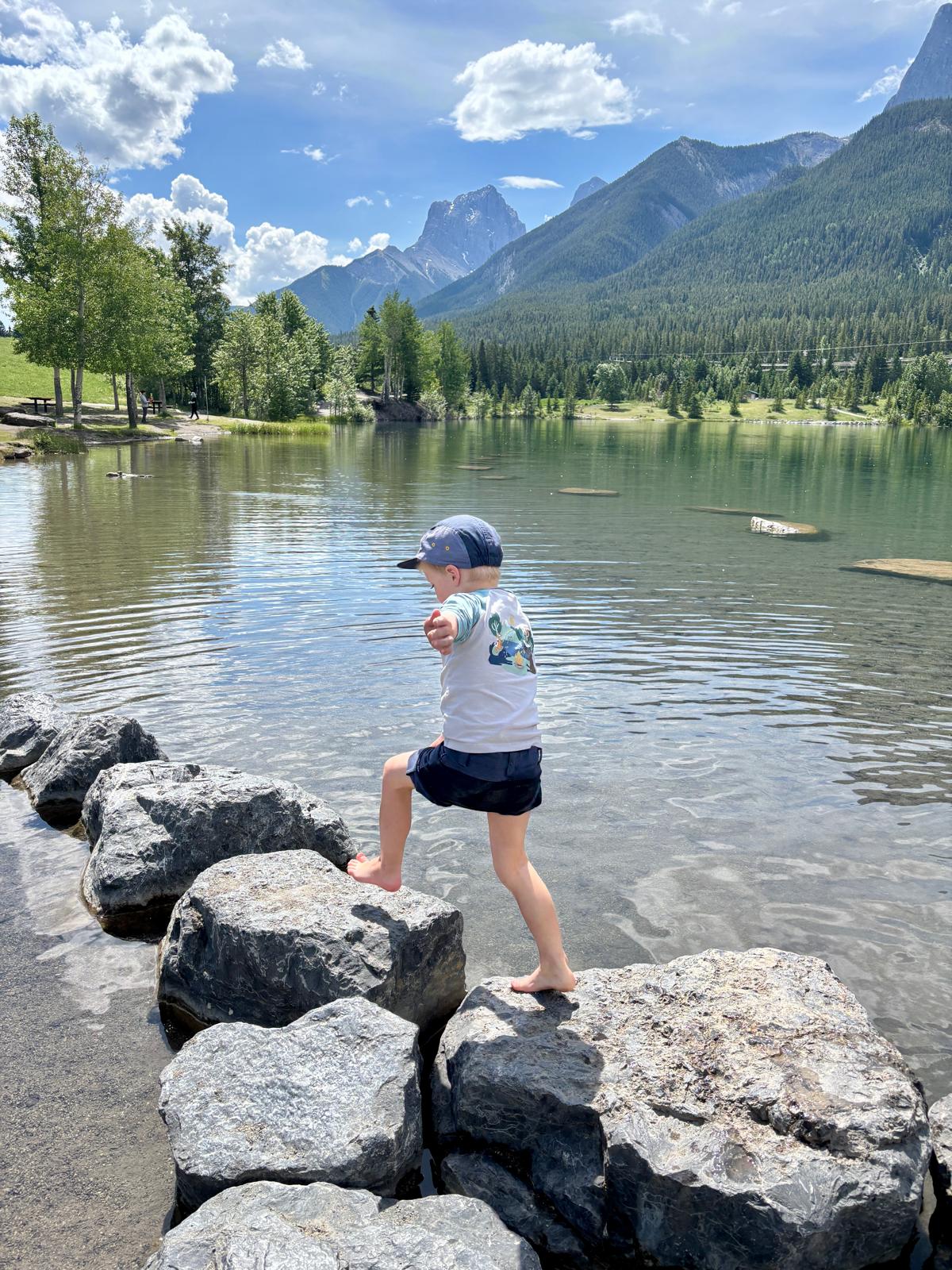
Children do not need us to race through childhood in order to prepare them for the future.
Creating a positive image of every child
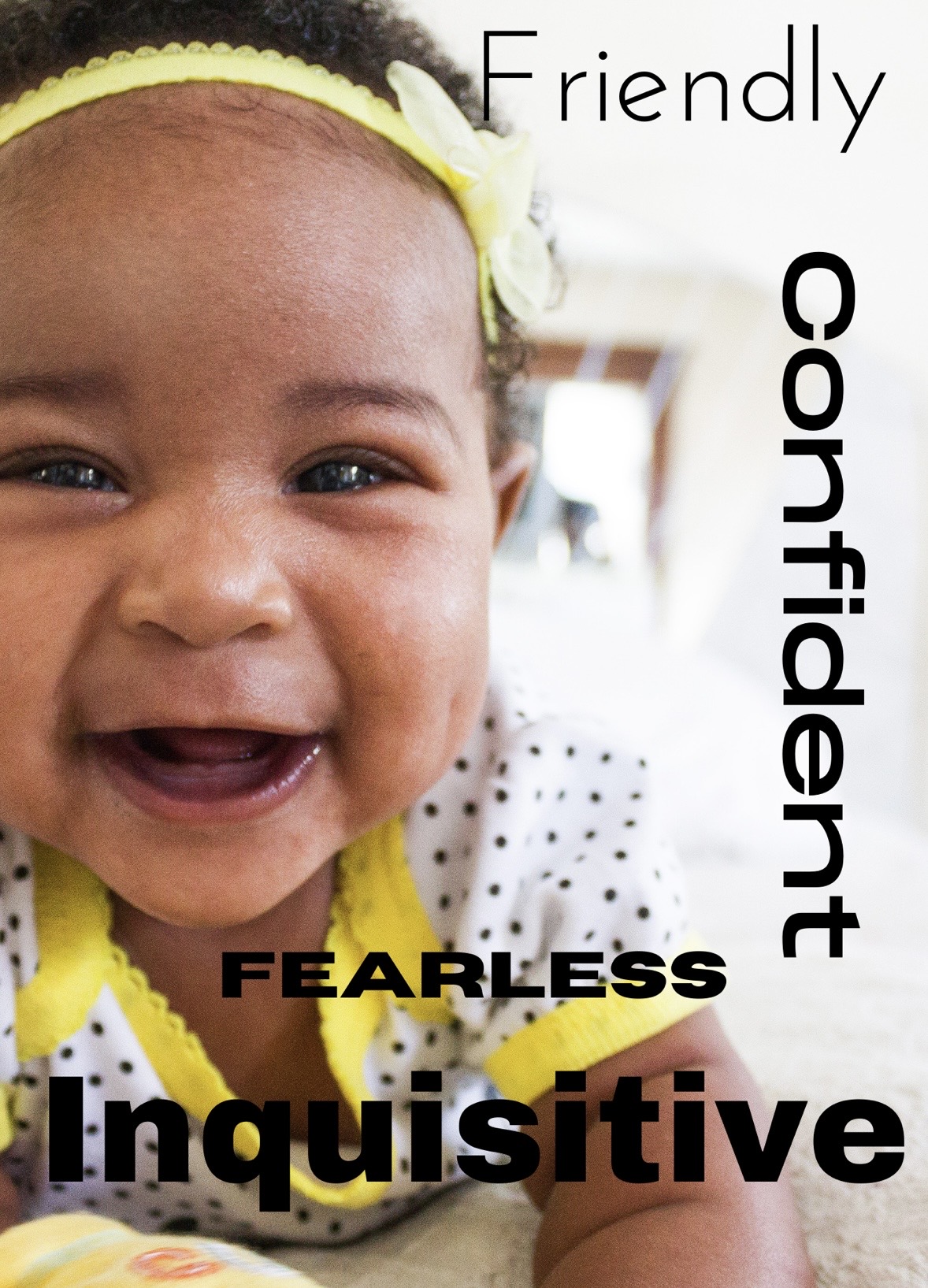
One of the activities I used in my own classroom—and share in my book, Bringing Hygge into the Early Years—was to create a positive image of every child.
I took a photograph of each child and surrounded it with handwritten words describing the unique qualities that made them special:
● their curiosity
● their humour
● their imagination
● their kindness
● their interests
● the things that brought them joy
● the ways they connected with other people
● the moments in which they truly came alive
I displayed these positive images at the entrance to my classroom.
The message to every child was immediate: You are known here. You are valued here. You belong here.
I also sent a copy home so families could add their own words and celebrate it together. Families often see strengths, interests and ways of communicating that may not appear immediately in a new classroom. Their knowledge should be part of the picture we build.
What else can we notice during the first weeks?
Alongside the required baseline, we can pay attention to the richness that no single assessment can capture.
- Notice how the child connects
- Who do they seek out?
- How do they invite another child into play?
- Do they offer comfort, watch from nearby or prefer to build a relationship one-to-one?
- Notice how the child communicates
- Notice what brings them joy
- Which resources do they return to?
- What do they talk about repeatedly?
- What makes their face change and their whole body become animated?
- Notice how they approach something new
- Do they dive straight in, observe first, copy a friend or seek reassurance from an adult? None of these approaches is inherently better. They tell us something about what the child needs in order to participate.
- Notice their capabilities in play
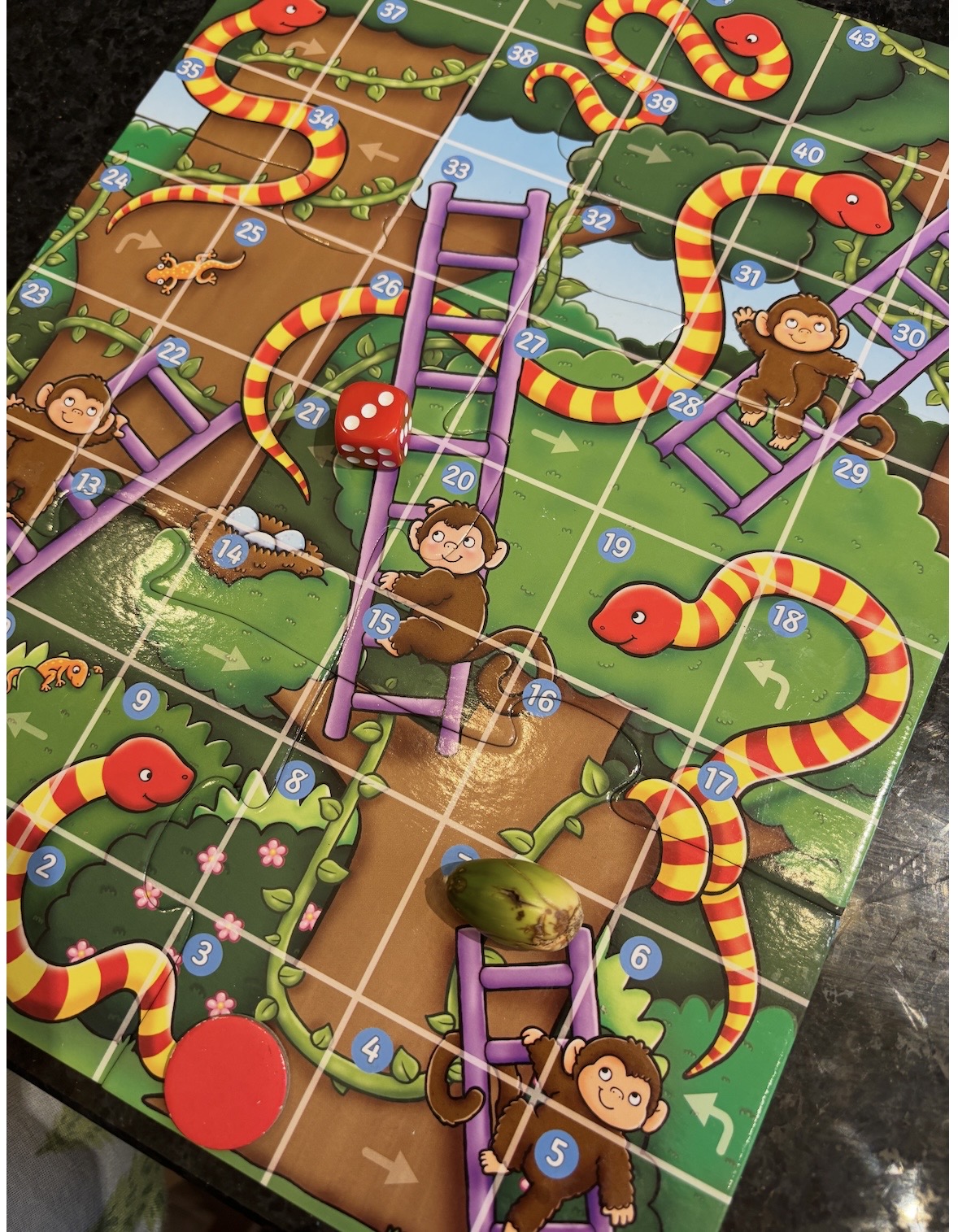
- A child who does not demonstrate a skill on demand may use it naturally during block play, small-world play, cooking, construction or an outdoor investigation. Deep play gives us rich information about language, mathematical thinking, collaboration, creativity and self-regulation.
- Notice the conditions in which they flourish
- Do they communicate more freely outdoors? Concentrate better in a quieter space? Become confident with a familiar adult nearby? Need movement before they can settle?
This is assessment too: careful, relational observation that helps us prepare the environment and our teaching for the child in front of us.
Does starting formal learning earlier lead to better results?
International comparisons offer an important note of caution about the assumption that an earlier start must produce stronger academic outcomes.
OECD data published in Education at a Glance 2025 show that compulsory primary education begins at age five in England, while children in countries including Estonia and Finland are not required to begin primary education until seven.
Yet in PISA 2022, which assessed 15-year-olds, both Estonia and Finland performed above the OECD average in mathematics, reading and science:
|PISA 2022 mean score|Mathematics|Reading|
|--------------------|--------
|Estonia |510 |511 |526 |
|Finland |484 |490 |511 |
|United Kingdom |489 |494 |500 |
|OECD average |472 |476 |485 |
The United Kingdom also performed above the OECD average, so these figures should not be used to claim that starting later automatically causes higher scores. PISA compares whole education systems, and many cultural, social and economic factors influence the results.
But the figures do challenge a much simpler claim: that children must begin formal schooling earlier in order to succeed later.
Estonia’s results are especially striking. Its pupils begin compulsory primary education at seven, yet Estonia achieved higher mean scores than the UK in all three PISA 2022 subjects.
The message is not that we should copy another country without considering context. It is that there is more than one route to educational success—and that protecting play, relationships and a developmentally appropriate childhood is not the opposite of ambition.
Children do not need us to race through childhood in order to prepare them for the future.
What do the newest PISA results tell us?
In September 2026, the OECD published the results of PISA 2025 under the title Future-Ready Students. Although people may refer to these as the “2026 PISA results”, the assessments were completed by 15-year-olds in 2025 and reported the following year.
The global picture is concerning. Across OECD countries, average performance fell to the lowest levels recorded by PISA in science, reading and mathematics. Reading declined particularly sharply, including the higher-order skills young people increasingly need in a digital and AI-rich world: evaluating information, connecting ideas across sources and thinking critically about what they read.
The United Kingdom performed strongly by international standards and was among the ten highest-performing education systems across all three core subjects:
|PISA 2025 mean score|United Kingdom|OECD average|
|--------------------|--------
|Science |511 |482 |
|Mathematics |488 |463 |
|Reading |494 |461 |
UK science performance rose by 12 points from 2022, while mathematics and reading remained broadly unchanged. Eighty-three per cent of UK pupils reached at least the baseline level in science, 74 per cent in mathematics and 80 per cent in reading—each above the corresponding OECD average.
Strong academic results—but at what cost?
It is brilliant to see UK young people performing strongly in the academic subjects that PISA measures. Knowledge matters. Being able to read well, reason mathematically and understand science opens doors, and those achievements deserve to be celebrated.
But we also need to be brave enough to ask: at what cost—and what might these figures not be showing us?
PISA cannot tell us that strong academic performance has caused weaker belonging, bullying or pressure, and we should not pretend that it can. Yet when high academic scores sit alongside a less positive picture of belonging, connection and school experience, it should make us pause. A league-table position is not a complete account of how well our children are doing.
We are educating children for a world none of us can fully predict. In a future shaped by rapid technological change and artificial intelligence, remembering information and passing tests will not be enough. Young people will also need to communicate and collaborate, think critically, solve unfamiliar problems, adapt to change, exercise judgement, manage emotions, care for others and know when—and how—to ask for help.
Those key life skills do not suddenly appear at 15. Their foundations are laid in the earliest years: through secure relationships, play, conversation, creativity, movement, agency, shared problem-solving and the experience of being listened to and trusted.
So yes, let us celebrate academic success. But if a child can perform well in a test while feeling that they do not belong, if they can recall the right answer but have lost their curiosity, confidence or connection to others, then our definition of success is incomplete.
Valuing the whole child is not an alternative to high expectations. It is a more ambitious understanding of what education is for.
The newest PISA report is valuable precisely because it does not define a successful learner through test scores alone.
The OECD describes learning as multidimensional. Its analysis considers proficiency alongside curiosity, perseverance, engagement, relationships, safety, family support and the learning environment. It argues that high-functioning systems need competent and engaged learners, safe and fair environments, and supportive families and schools.
That wider lens reveals a more complicated UK picture:
● 77 per cent of UK pupils said they were curious about many different things, compared with an OECD average of 73 per cent.
● 62 per cent said they made additional effort when work became challenging, close to the OECD average of 60 per cent.
● Curiosity, perseverance and seeing value in school were each associated with stronger science performance, even after accounting for socioeconomic background.
● Only 70.2 per cent of UK pupils said they felt they belonged at school, below the OECD average of 76.2 per cent.
● Twenty-three per cent reported experiencing at least one form of bullying several times a month or more, compared with 20 per cent across the OECD. Bullying had increased since 2022.
● The proportion of UK pupils having at least weekly conversations with parents or carers about problems at school fell from 60 per cent in 2022 to 48 per cent in 2025.
● Thirty-eight per cent said noise and disorder disrupted most or every science lesson, compared with an OECD average of 31 per cent.
The data do not tell us that Reception baseline assessment causes any of these later experiences. PISA studies 15-year-olds, and its associations cannot establish simple cause and effect.
But the results do strengthen the case for a broader definition of educational success.
The UK’s academic performance shows that high expectations matter. Its lower sense of belonging and rising reports of bullying show that attainment cannot be our only measure of whether children are flourishing.
Perhaps the most important message for the Early Years is this: curiosity, perseverance, safety, relationships and belonging are not distractions from learning. They are part of learning.
When we protect a four-year-old’s curiosity, give them time to become absorbed in play, help them feel safe enough to make mistakes and ensure that they experience the delight of being known, we are not stepping away from ambition.
We are creating its foundations.
What do international happiness and mental-wellbeing figures tell us?
Academic attainment is only one part of the picture. We also need to ask a more human question: how are children actually feeling?
What can we learn from the world’s happiest countries?
The World Happiness Report 2026 once again places the Nordic countries at the top of its international rankings:
|World Happiness Report 2026|Country |
|--------------------------:|-
|1 |Finland |
|2 |Iceland |
|3 |Denmark |
|4 |Costa Rica|
|5 |Sweden |
|6 |Norway |
All five Nordic countries therefore sit within the top six. Finland has now held first place since 2018, and the average ranking of the five Nordic countries has improved from 4.8 in 2013 to 3.4 in 2026.
We need to be precise about what this means. The World Happiness Report is not a league table of young children’s happiness or a measure of how cheerful people appear each day. It asks adults to evaluate the quality of their lives on a scale from 0 to 10 and combines responses gathered over three years.
Nor can these rankings prove that Nordic Early Years practice causes people to be happier. National wellbeing is influenced by income, health, social policy, culture and many other conditions.
But the factors repeatedly associated with the Nordic countries’ high life satisfaction are revealing. They include strong social support, freedom to make life choices, trust in other people and institutions, safety, lower inequality, social cohesion and a sense that systems are fair.
These are national conditions, yet they hold an important mirror up to education.
What happens when we translate those same human needs into the life of a four-year-old?
● Trust: Is there a familiar adult who listens and responds warmly?
● Belonging: Does the child see themselves, their family and their interests reflected in the setting?
● Agency: Can they make meaningful choices, follow ideas and influence their play?
● Fairness: Are differences understood and supported rather than treated as failures?
● Security: Is the rhythm of the day predictable, calm and emotionally safe?
● Connection: Is there time for friendship, shared experiences, nature and community?
What we can learn is the value of building environments around human wellbeing rather than treating wellbeing as something to add after the “real learning” is complete.
UNICEF’s 2026 Innocenti Report Card 20 compares child wellbeing across high-income and OECD countries. Its league table brings together physical health, mental wellbeing, and academic and social skills. The Netherlands ranks first overall, followed by Denmark and France.
For mental wellbeing specifically, the Netherlands ranks first and Denmark fourth. The United Kingdom ranks 24th of the 37 countries with complete data overall, and 28th for mental wellbeing.
These rankings need to be understood carefully. UNICEF’s mental-wellbeing measure combines the proportion of 15-year-olds reporting high life satisfaction with adolescent suicide rates. It is not a direct measure of the happiness of four- and five-year-olds, and it cannot tell us that one particular feature of an education system caused a country’s position.
It does, however, invite us to widen the way we think about educational success.
The same UNICEF report found that high life satisfaction among 15-year-olds ranged from 43 per cent in Türkiye to 87 per cent in the Netherlands. Across almost every country measured, the proportion of children reporting high life satisfaction declined between 2018 and 2022.
OECD analysis of PISA 2022 found that students who felt safe and were not exposed to bullying tended to report a stronger sense of belonging, greater life satisfaction, more confidence in self-directed learning and less anxiety. Finland was among the countries in which both reported safety and belonging were well above the OECD average.
This matters in Reception because the foundations of a child’s relationship with school are being laid from the very beginning.
When a child enters the classroom, do they feel that they are already enough? Do they experience an adult who is curious about them? Is school a place in which they are known, listened to and safe to make mistakes—or somewhere they begin to understand themselves through the things they cannot yet do?
We cannot protect children’s wellbeing simply by avoiding assessment. Nor should we stop noticing where support is needed. But we can ensure that assessment sits inside something much bigger: warm relationships, unhurried play, movement, friendship, creativity, connection with nature and a deep sense of belonging.
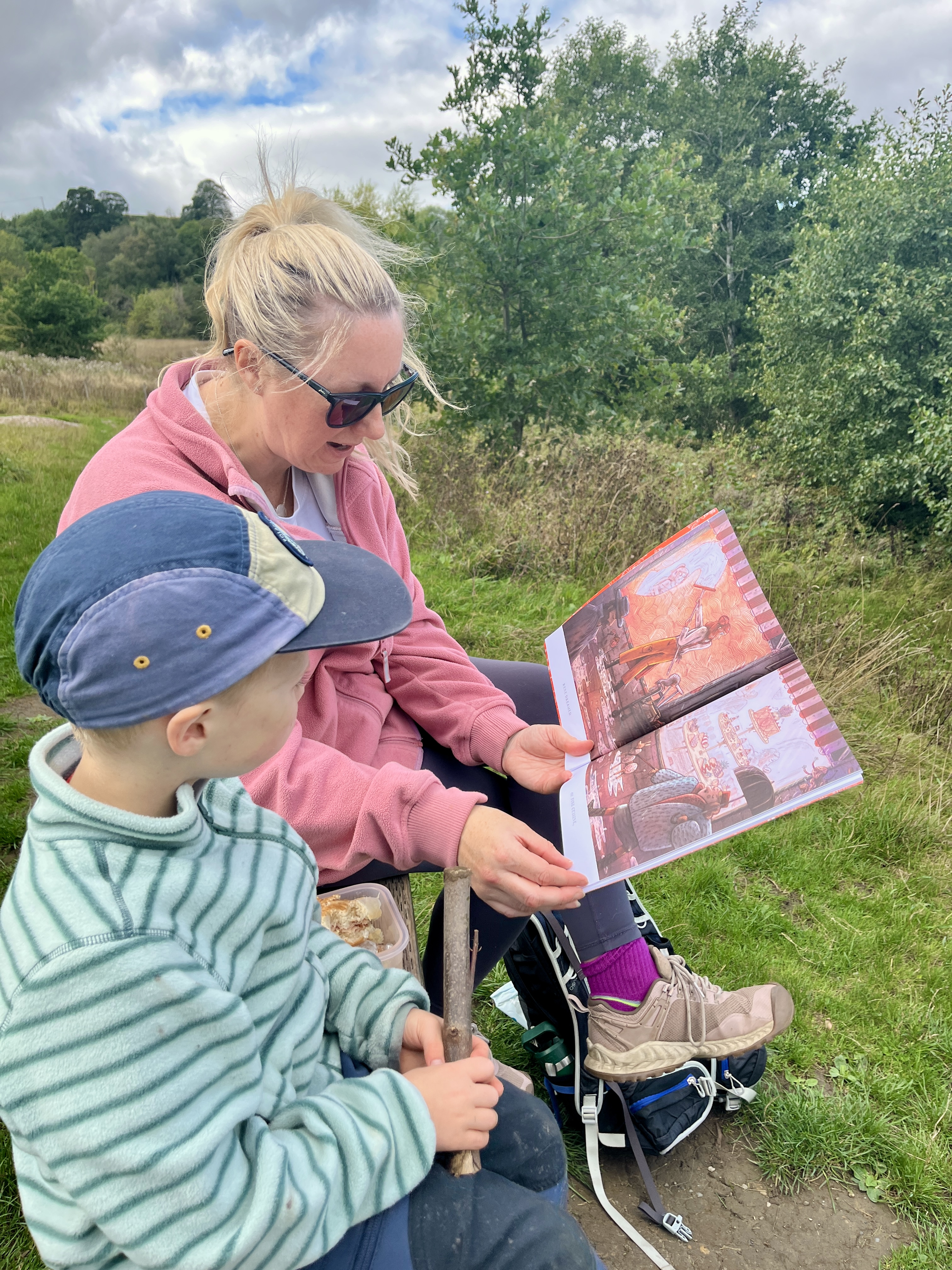
Perhaps alongside asking, “What can this child do?”, we should also ask:
● Do they feel safe here?
● Do they feel that they belong?
● Do they have time to play deeply and build friendships?
● Is there an adult who delights in knowing them?
● What brings them joy?
● What pressure might they already be carrying?
A successful education should not ask us to choose between learning and wellbeing. Children learn best when they feel secure, connected and valued—and childhood deserves to be lived well in the present, not treated only as preparation for the future.
Have you tried my FREE Introduction to Hygge Training yet?
A Free 30-Minute Training to Bring Calm Back Into Your Early Years Practice
Environment Audit
Download your Environment Audit Workbook and begin creating calmer days, deeper play and less overwhelm for the year ahead.
