
Summer Fairy House
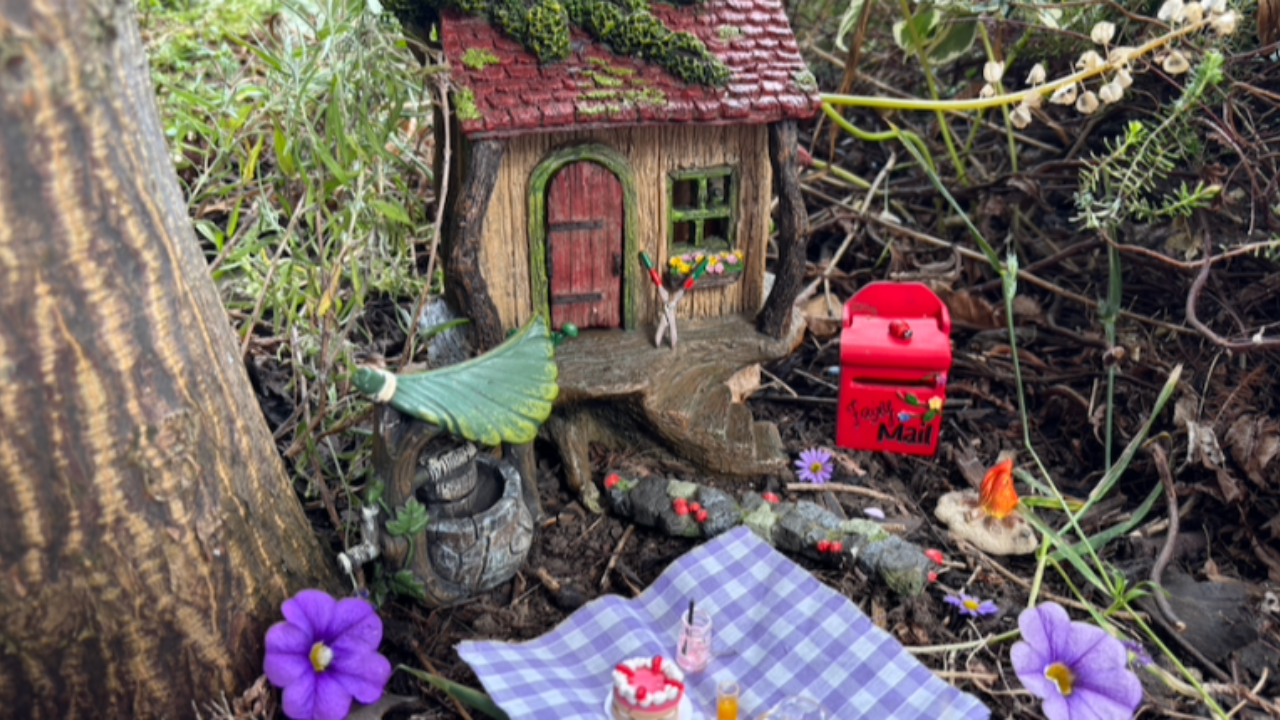
Creating a Scandinavian Fairy Garden: A Summer of Wonder, Imagination and Slow Childhood
One of the things I love most about Scandinavian childhood is the way magic and nature sit side by side.
There isn't always a clear line between the real world and the world of imagination.
A moss-covered stump might be home to a tomte.
A hollow tree could be where woodland elves gather at dusk.
A patch of wildflowers may be visited by fairies when nobody is looking.
As a child, I would have spent hours completely absorbed in this kind of play. And now, watching Oliver create tiny worlds of his own, I'm reminded that children don't need elaborate toys or expensive experiences to spark their imagination.
They need time.
They need nature.
And they need permission to wonder.
Creating a Scandinavian-inspired fairy garden is one of my favourite summer activities because it combines everything I value about childhood:
🌿 Outdoor play
🌿 Storytelling
🌿 Creativity
🌿 Connection to nature
🌿 Unhurried time
🌿 Deep imaginative play
Most importantly, it isn't an activity to complete.
It's a world to return to again and again throughout the summer.
Why Fairy Gardens Feel So Scandinavian
Across Scandinavia, traditional stories are filled with trolls, tomtar, elves (älvor) and forest spirits.
For generations, children have grown up with stories of magical beings living quietly amongst the trees, rocks and wild places.
These stories encourage children to see nature differently.
Not as something to rush through.
But as somewhere to explore.
Notice.
Respect.
And belong.
A fairy garden invites children into that same way of seeing the world.
Suddenly a pinecone becomes a chair.
An acorn cap becomes a bowl.
A patch of moss becomes a magical forest floor.
And imagination begins to flourish.
🪴 Step 1: Choose Your Fairy Garden Home
One of the loveliest things about fairy gardens is that they can be created almost anywhere.
You might choose:
✨ A large pot or planter
✨ A corner of the garden
✨ Beneath a tree
✨ Beside your mud kitchen
✨ A shallow wooden crate
✨ A nature tray that can move indoors and outdoors
Look for somewhere that feels peaceful and tucked away.
The sort of place a fairy might choose if she were looking for a summer home.
🌼 Step 2: Create the Landscape
Rather than building a fairy garden for your child, invite them to build it alongside you.
This is where so much of the learning happens.
Gather:
🌿 Moss
🌿 Bark
🌿 Pebbles
🌿 Pinecones
🌿 Acorns
🌿 Feathers
🌿 Shells
🌿 Wildflowers
Layer them together to create a miniature landscape.
There is no right or wrong.
Let children follow their ideas.
The best fairy gardens evolve naturally over time.
🌿 Want More Ideas Like This?
If you love activities that encourage deep play, creativity and connection without endless preparation, I'd love to invite you to my free training.
Inside I'll share the Scandinavian-inspired principles that help children become calmer, more engaged and more connected to the world around them.
👉 Watch my FREE training: 3 Steps to Creating a Calmer, More Engaged Early Years Environment
[INSERT FREE TRAINING LINK]
🌸 Step 3: Add Handmade Treasures
One of the biggest lessons Scandinavian childhood teaches us is that children don't need more stuff.
They need more imagination.
Nature often provides everything we need.
Try creating:
🍂 Bark benches
🌿 Twig swings
🌸 Flower petal cups
🥜 Acorn bowls
🐚 Walnut shell boats
🪵 Tiny stick bridges
Children are often far more invested in things they create themselves than anything bought in a shop.
🌿 Step 4: Plant a Fairy Garden
Summer is the perfect time to add plants that engage the senses.
Choose flowers and herbs that children can touch, smell and care for.
Some fairy favourites include:
💜 Lavender
🌼 Chamomile
🌸 Thyme
🌿 Mint
🌻 Wildflowers
These bring fragrance, colour and pollinators into your magical world.
And they create opportunities to talk about bees, butterflies and the changing seasons.
✨ Step 5: Invite Storytelling
This is where the real magic begins.
Leave tiny clues and invitations for children to discover.
A letter from a fairy.
A lost crown.
A mysterious map.
A tiny sign reading:
"Fairy Market – Open at Sunset"
or
"Butterfly Inn – Rooms Available"
You don't need to direct the play.
Simply offer a spark and let children's imaginations do the rest.
🌙 Step 6: Add Summer Magic
Scandinavian summers are famous for their long, lingering evenings.
You can capture some of that magic by adding:
✨ Solar fairy lights
✨ Wind chimes
✨ Ribbons dancing in the breeze
✨ Fairy footprints
✨ Nature lanterns
✨ Flower petal pathways
These little touches help create a sense of wonder as daylight begins to soften.
💫 Step 7: Let the Fairy Garden Grow With the Summer
The most beautiful fairy gardens aren't finished in a day.
They evolve.
Just like childhood.
Add new discoveries.
Seasonal treasures.
Story prompts.
Tiny adventures.
Encourage children to create maps, journals and stories about the visitors they believe might live there.
The longer the garden exists, the richer the play becomes.
🧚 A Scandinavian Fairy Welcome Ritual
When your fairy garden is ready, gather together for a simple welcoming ceremony.
Blow bubbles into the breeze.
Scatter flower petals.
Ring a tiny bell.
Then say:
"To flower, leaf and stone so small,
Fairies, you are welcome to call.
Among the moss and summer sun,
May wonder, play and magic run."
And then simply wait.
Not for fairies.
But for something even more magical.
The deep, immersive play that happens when children are given time, freedom and space to imagine.
Childhood Needs More Wonder
One of my biggest concerns as an early years teacher and consultant is how quickly childhood is becoming rushed.
Children are spending less time outdoors.
Less time imagining.
Less time becoming deeply absorbed in play.
Yet these experiences are exactly what help children develop creativity, language, confidence, resilience and wellbeing.
That's why I care so deeply about approaches inspired by Scandinavia.
Not because they're trendy.
But because they protect what childhood needs most.
Time.
Nature.
Connection.
Wonder.
🌿 FREE TRAINING: 3 Steps to Creating a Calmer, More Engaged Early Years Environment
If you're longing to create a childhood filled with more wonder, deeper play and meaningful connection, I'd love to invite you to join my free training.
Inside you'll discover:
✨ The Scandinavian-inspired principles that transformed my teaching and parenting
✨ Why many children are becoming overwhelmed and disengaged
✨ Simple ways to encourage deeper play and stronger wellbeing
✨ How to create calmer environments without adding more to your workload
Thousands of educators and parents have already joined me and discovered that the answer isn't doing more.
It's creating the conditions where childhood can flourish.
👉 CLICK HERE TO WATCH THE FREE TRAINING
https://www.hyggeintheearlyyears.co.uk/blank-page-c59b8933-2688-43eb-8483-215520b9c3ac
Because the most magical childhoods aren't created through elaborate activities.
They're built through simple days, nature, imagination and the freedom to wonder. 🤍
Have you tried my FREE Introduction to Hygge Training yet?
A Free 30-Minute Training to Bring Calm Back Into Your Early Years Practice
Environment Audit
Download your Environment Audit Workbook and begin creating calmer days, deeper play and less overwhelm for the year ahead.
