
Early Maths
 play movement nature everyday routines real experiences
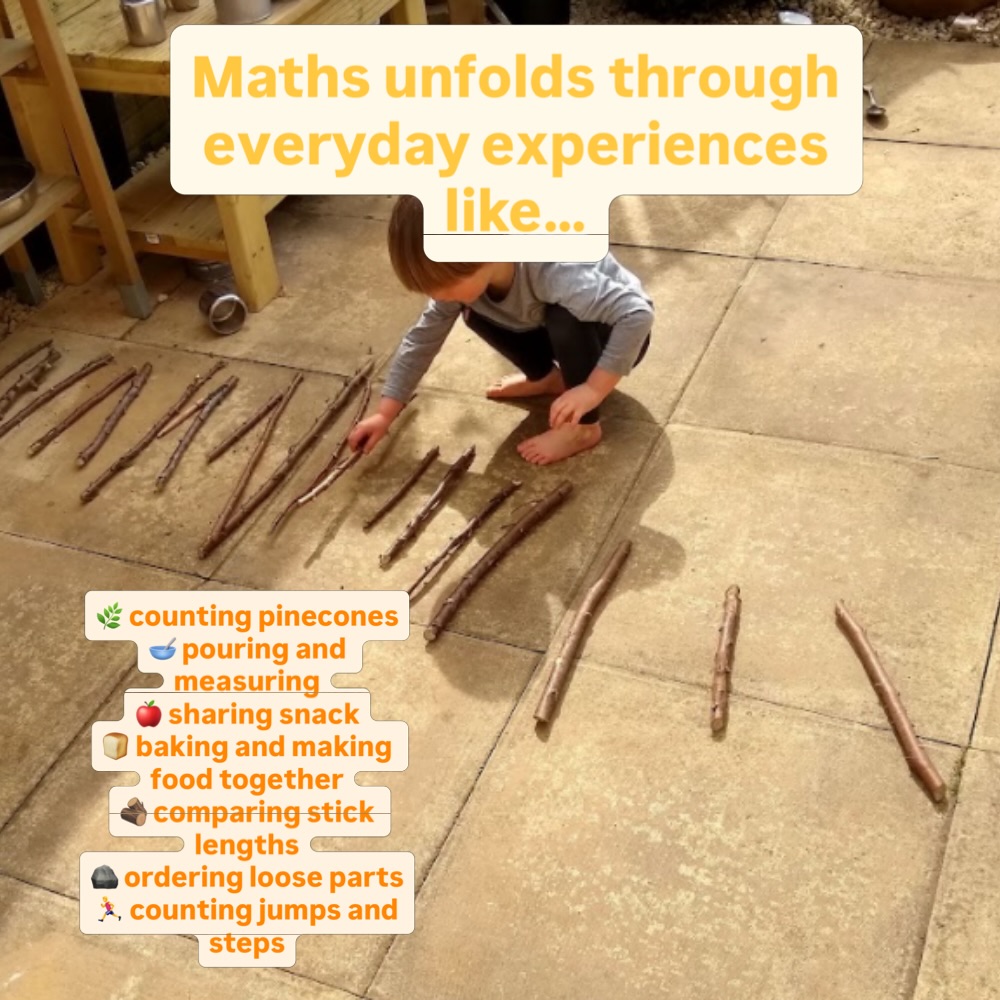
 counting pinecones
 pouring and measuring
 comparing stick lengths
 noticing whose boots are bigger
 sharing snack
 baking and making food together
 spotting patterns in nature
 ordering loose parts by size, length or shape
 counting jumps, steps and turns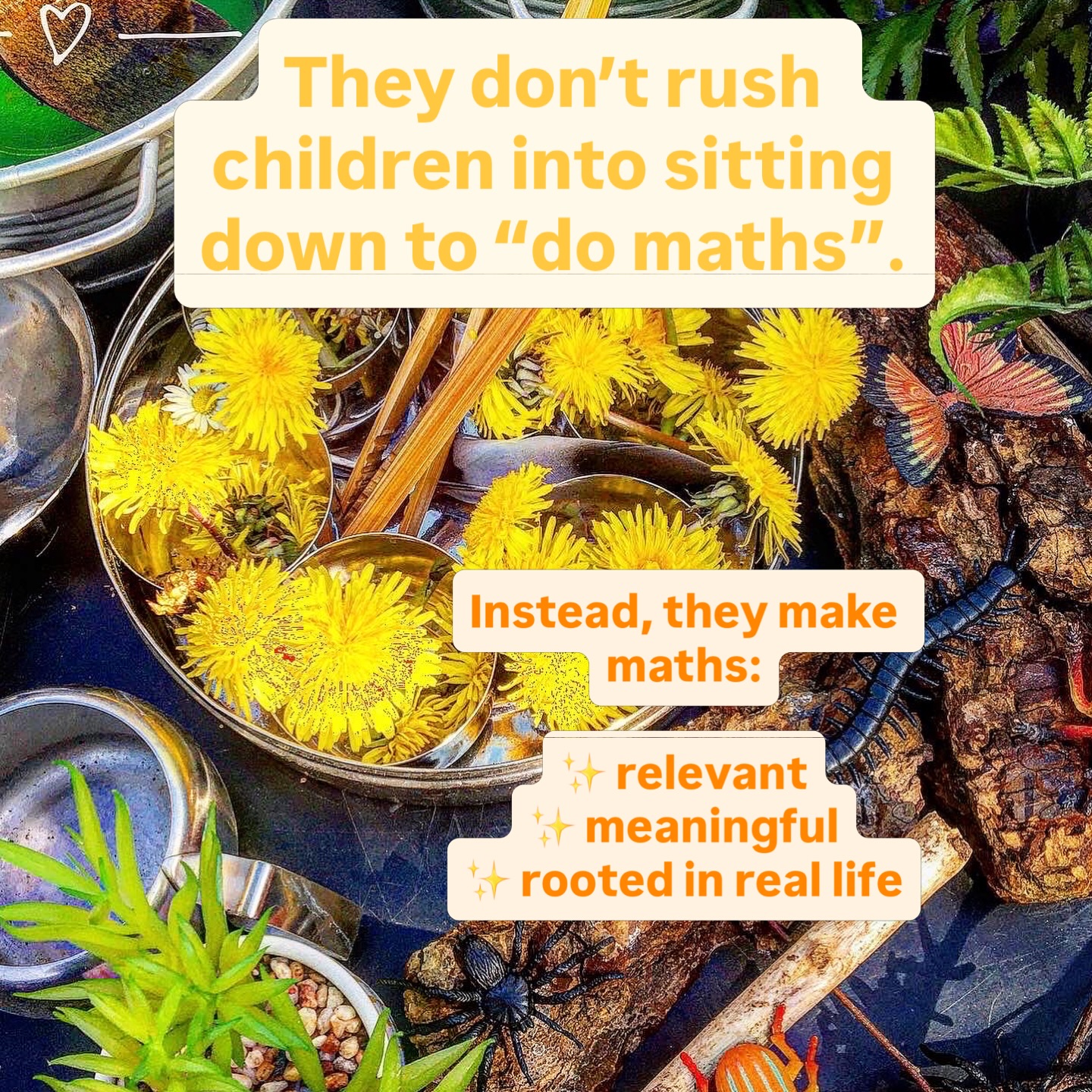
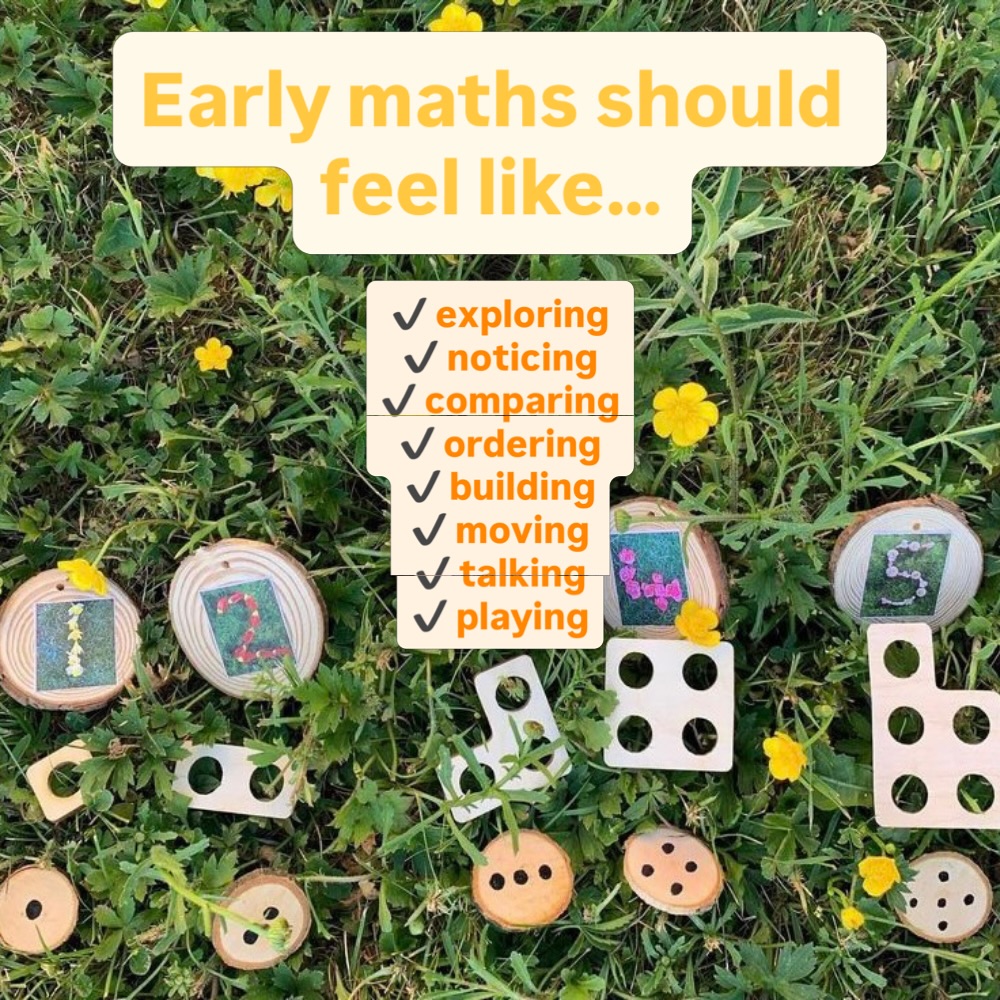
 exploring noticing comparing ordering building moving talking playing
Ready for a Slower, More Joyful Approach?
If you're feeling exhausted by the pressure to constantly plan, prepare and do more, I want you to know that there is another way.
Discovering Hygge transformed not only my teaching, but how I viewed childhood itself.
It taught me that children don't need endless activities, packed schedules or constant entertainment.
They need connection.
They need wonder.
They need time.
And perhaps, so do we.
That's exactly why I created my FREE 30-minute training.
In this gentle but powerful session, I'll share the three simple shifts that helped me create calmer days, deeper relationships and a more joyful way of teaching and living.
You'll discover:
🌿 How to create more calm without doing more
🌿 Why less often leads to deeper learning
🌿 The Scandinavian secrets that transformed my approach to childhood
🌿 Simple changes you can implement immediately at home or in your setting
By the end of the training, you'll feel inspired, refreshed and equipped with practical ideas to bring more calm, connection and joy into your days.
✨ Click here to watch the FREE training now.
https://www.hyggeintheearlyyears.co.uk/blank-page-c59b8933-2688-43eb-8483-215520b9c3ac
I can't wait to welcome you.
Kimberly 🤍
Founder, Hygge in the Early Years™
Have you tried my FREE Introduction to Hygge Training yet?
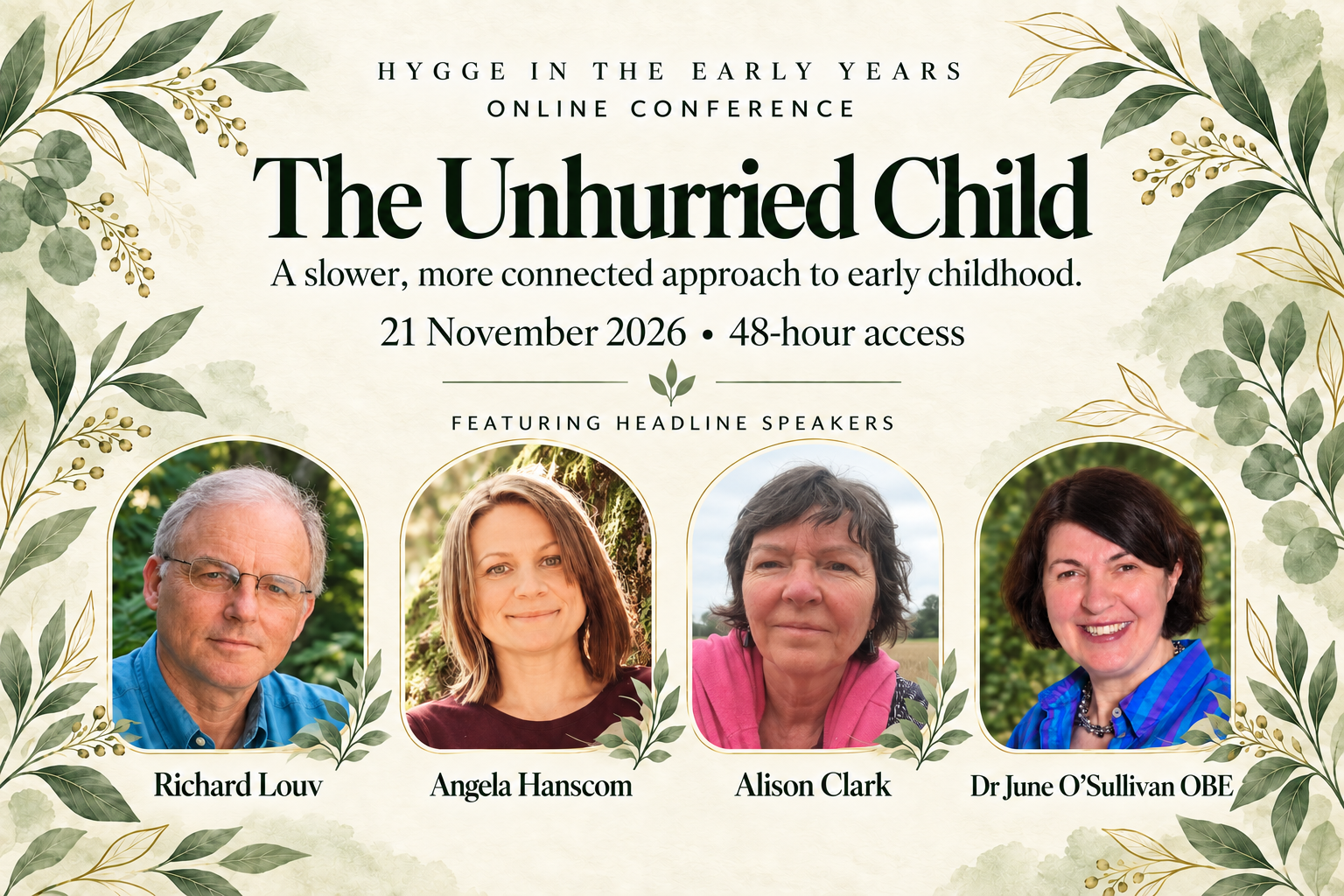
Online Conference
Online Conference
Curious about slow pedagogy?
”The Unhurried Child"
21st November 2026 (48 hour access)
A slower, more connected whole child approach to early childhood.
One inspiring online conference for educators ready to protect play, nurture wellbeing and give childhood back it's time.
