
Winter, Big Feelings & the Power of Heavy Work in the Early Years
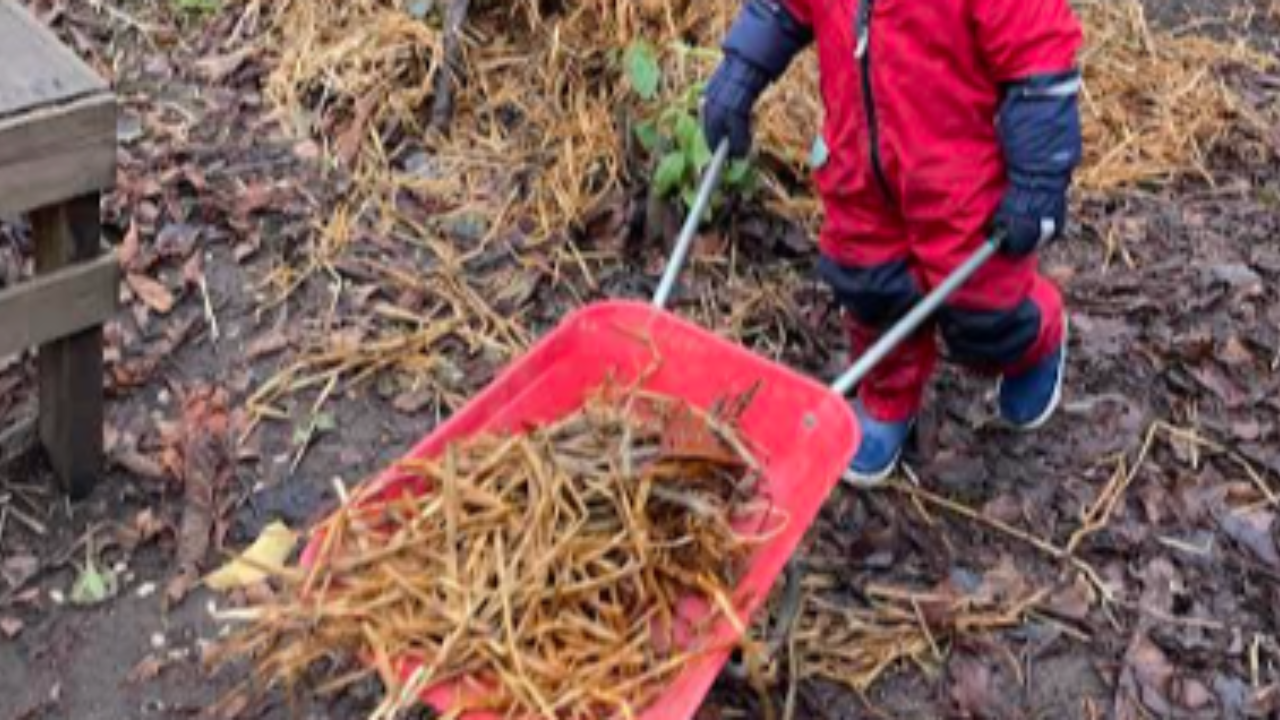
Winter often brings big energy in little bodies — and just as much deep tiredness in the adults who care for them.
The days are darker. Outdoor time shifts. Routines change. Clothes feel heavier. Transitions feel harder. Emotions seem closer to the surface.
And suddenly, we start seeing:
-
More restlessness
-
More emotional outbursts
-
More impulsive behaviour
-
More children who just can’t seem to settle
But what if what we’re witnessing isn’t “challenging behaviour” at all?
What if it’s the nervous system asking for support?
Heavy Work Isn’t About “Burning Energy”
This is where heavy work becomes one of our most powerful winter tools.
Heavy work is often misunderstood as simply a way to “wear children out.”
But in reality, it plays a far deeper role.
Heavy work supports the proprioceptive sensory system — the system that tells the body:
-
Where it is in space
-
How much force to use
-
How to feel grounded and secure
When children push, pull, carry, lift, drag, climb and crawl, their bodies receive deep sensory feedback that helps them feel:
• Grounded
• Calm
• Safe
• More able to focus
• More able to regulate emotions
• Less overwhelmed by the world around them
This is not about behaviour management.
This is about nervous system regulation.
And regulation is always the foundation for learning.
Winter Behaviour Isn’t Always Behaviour
Many winter behaviour spikes aren’t “naughty behaviour” at all.
They are:
-
Sensory regulation needs
-
Bodies seeking grounding
-
Nervous systems overwhelmed by change
-
Children communicating through movement because words are still developing
When we meet these needs before they explode into dysregulation, everything shifts.
Not through consequences.
Through connection and co-regulation.
Simple Winter Heavy Work Ideas
Heavy work doesn’t require specialist equipment, loud activities or elaborate planning.
In fact, the most powerful provision is often the simplest:
❄️ Carrying logs, pinecones, stones or watering cans
❄️ Pushing wheelbarrows, prams or garden trolleys
❄️ Pulling sleds, baskets or tyres
❄️ Dragging tarps of leaves or snow
❄️ Moving chairs, crates or large cushions indoors
❄️ Wall push-ups, bear crawls, rolling big balls
❄️ Smashing ice, kneading snow dough, digging for frozen treasure
No flashy resources.
No complicated set-ups.
Just purposeful movement that brings calm.
This Is Nervous-System-Led Pedagogy
Inside Hygge in the Early Years™, this is the heart of the work we return to again and again:
Not adding more to already overflowing days…
But learning how to:
-
Slow the pace
-
Support the nervous system
-
Design environments that feel safe
-
Create rhythms that allow calm to actually live
Because when children feel regulated,
they don’t need to communicate through dysregulation.
And when adults feel supported,
they don’t need to survive their days either.
A Gentle Reflection
If your winter days currently feel:
-
Loud
-
Heavy
-
Chaotic
-
Emotionally draining
It may not be the children who need to change.
It may be the conditions around them.
✨ If you’d love to deepen your understanding of regulation, heavy work, slow pedagogy and creating calm, connected early years environments, you can explore my training here:
👉 https://www.hyggeintheearlyyears.co.uk/hygge-accreditation
Have you tried my FREE Introduction to Hygge Training yet?
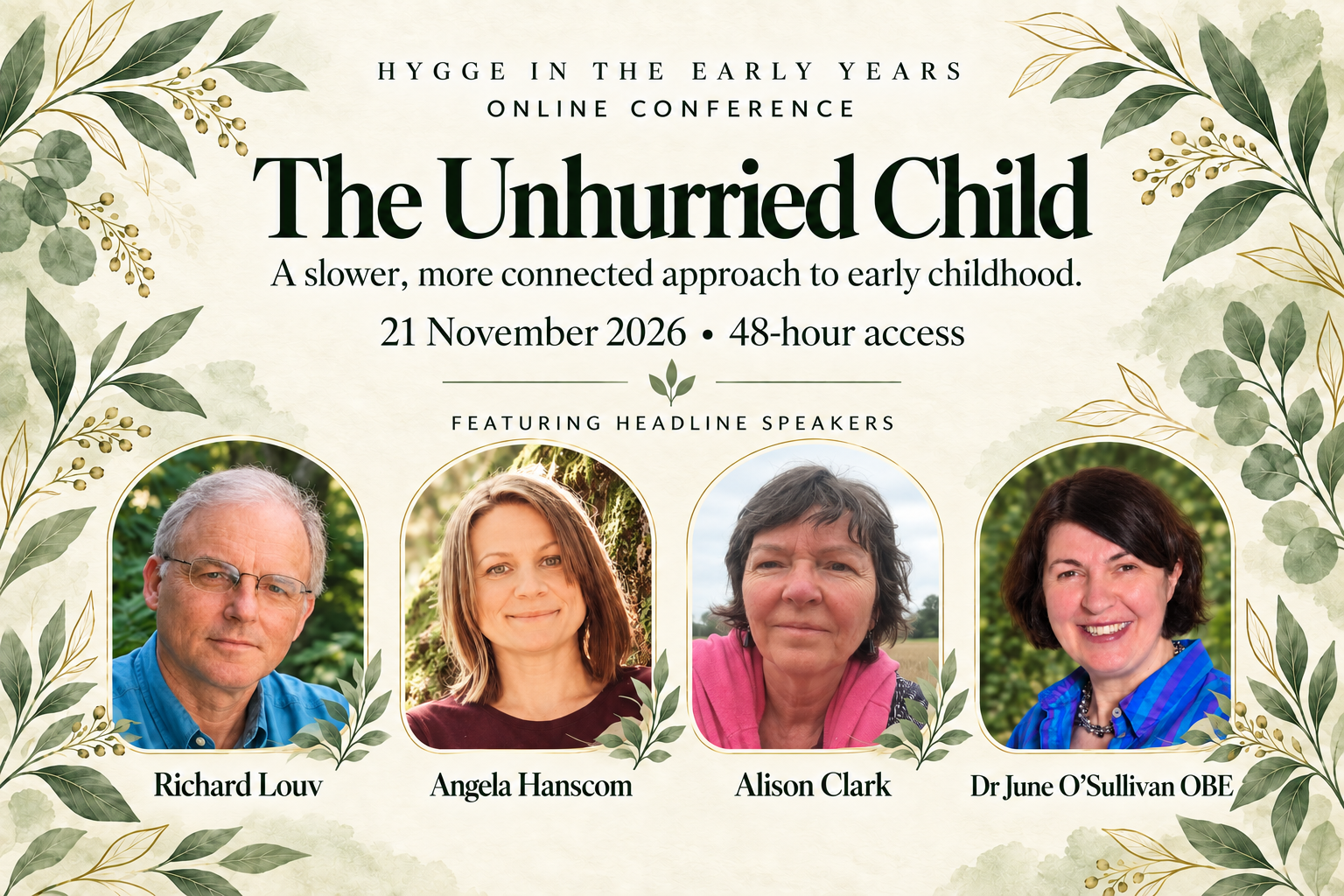
Online Conference
Online Conference
Curious about slow pedagogy?
”The Unhurried Child"
21st November 2026 (48 hour access)
A slower, more connected whole child approach to early childhood.
One inspiring online conference for educators ready to protect play, nurture wellbeing and give childhood back it's time.
