
Blog
A calmer way to teach, lead and nurture childhood.
Practical ideas, reflective insights and nature-led inspiration for educators who want to do less — and do it more meaningfully.
Start here if...
Slowing Down This Autumn: Rewilding Your Wanderlust
The beginning of the new school year shouldn’t have to feel stressful. Too often, September arrives with a rush of planning, preparation, and pressure—but what if we reimagined these early weeks? What if, instead of rushing, we filled our days with connection, calm, and time together?
One of the simplest ways to bring this shift is by stepping outdoors. Nature has an incredible way of grounding us—slowing our pace, calming our minds, and opening our eyes to the magic in the everyday. And the best part? Learning in nature doesn’t demand endless resources or preparation. The forest floor, the hedgerow, and even the schoolyard are already brimming with invitations to play. Less equipment means less tidying up, leaving more time for what really matters—being present with the children.
A Slow Approach to Pedagogy
Slowing down doesn’t mean doing less—it means doing with more intention. A slow pedagogy invites us to follow children’s interests, to notice what captures their hearts and mind...
Slow Pedagogy: Allotment Play in the Early Years
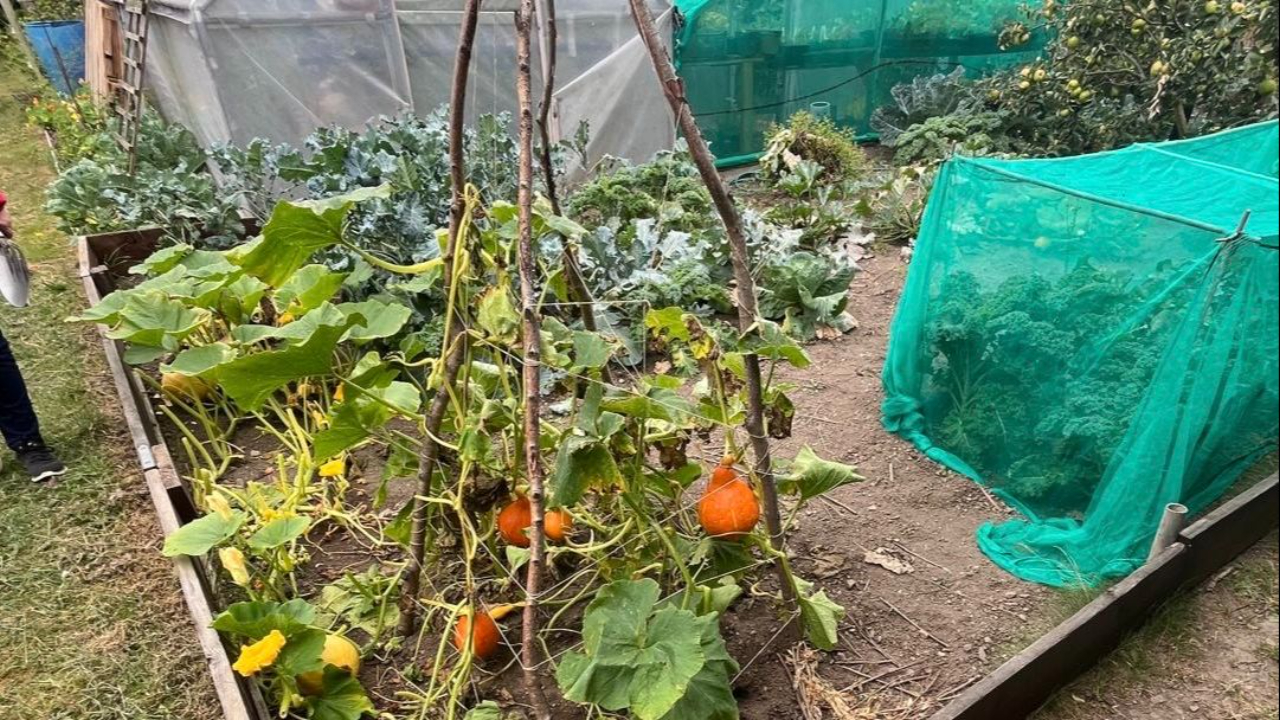
The Benefits of Allotment Play in the Early Years 🌱
Imagine a space where children can dig in the soil, water seeds, pull up carrots, and taste sun-warmed strawberries they’ve grown themselves. Allotments offer just that—a living, breathing classroom full of opportunities for play, discovery, and connection.
In the early years, play in an allotment setting is about so much more than gardening. It nurtures the whole child—physically, emotionally, socially, and cognitively—while fostering a deep relationship with nature and the rhythms of the seasons. We love visiting our friends allotment and noticing the seasonal changes. It's such a beautiful space to slow down and be present in the moment without the distraction of toys, noise and too much.
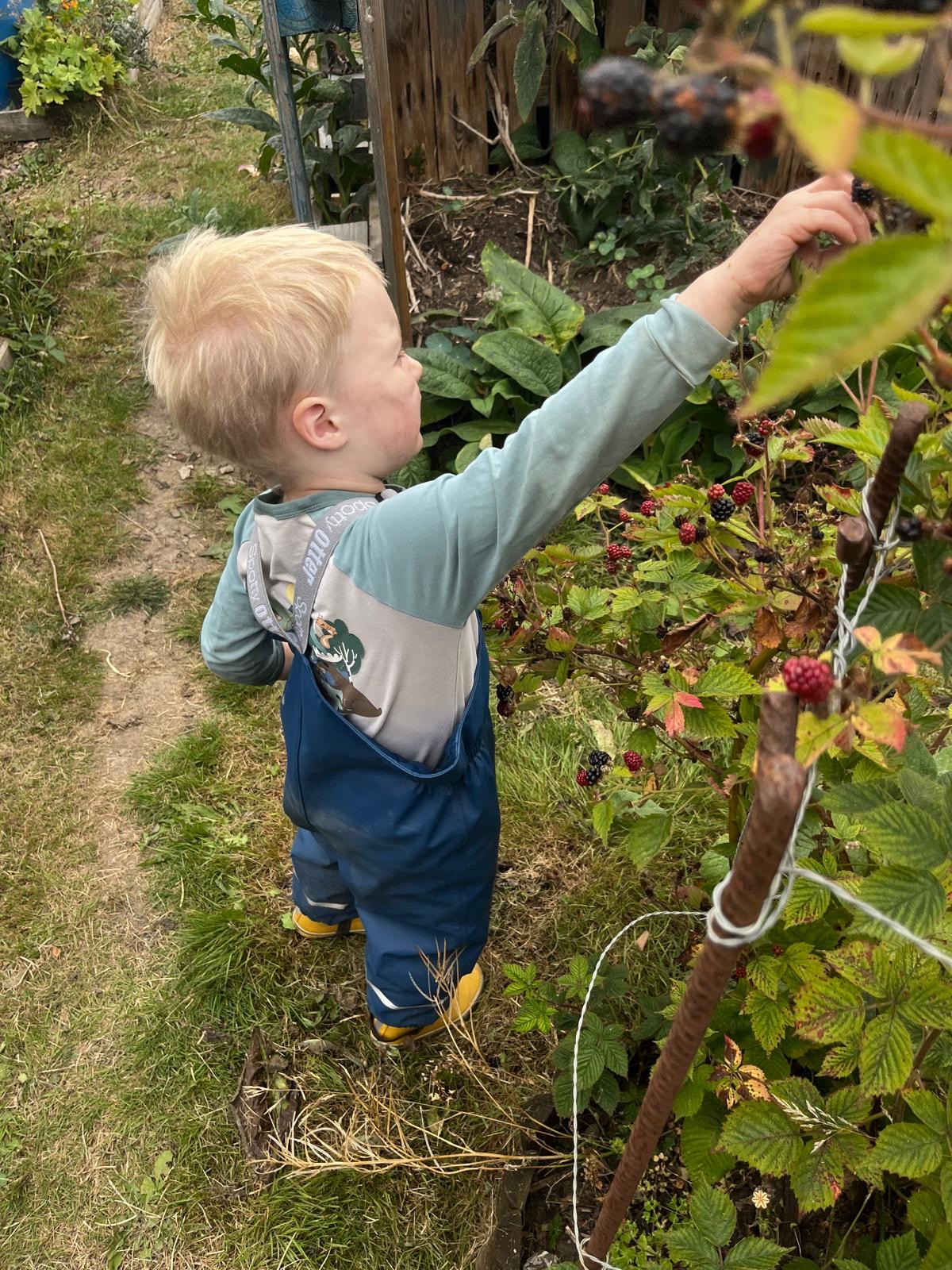
🌿 Physical and Cognitive Growth
Allotment play provides rich opportunities for developing both fine and gross motor skills. Digging, carrying watering cans, planting seeds, and pulling up vegetables all strengthen muscles and coordination...
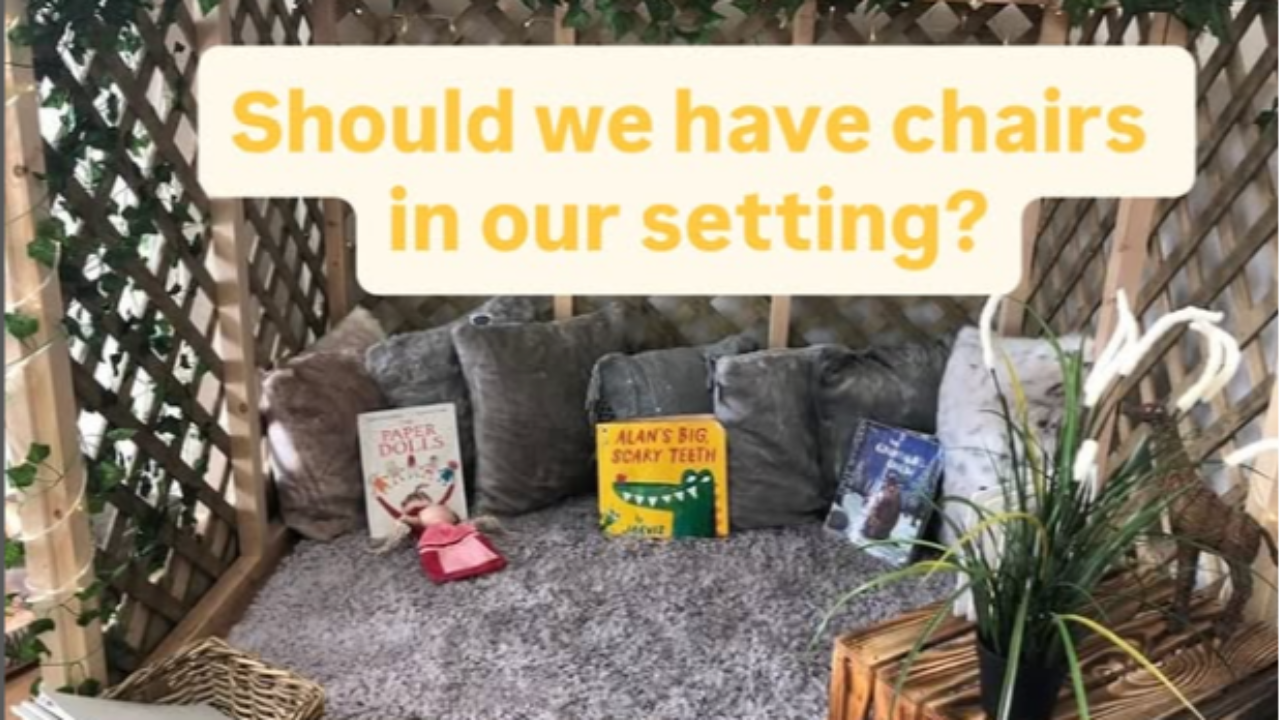
✨ Why You Won’t See Many Chairs in a Hygge-Inspired Early Years Space
Walk into a typical early years classroom and you might see rows of chairs tucked under tables, ready for the day’s activities.
But step into a Hygge-inspired space and you’ll notice something different… there aren’t many chairs at all.
And that’s no accident.
🌿 Freedom to Move, Freedom to Learn
In a Hygge setting, children aren’t confined to one seat. Instead, they have the freedom to move, curl up, kneel, or sprawl out as they follow their curiosity. This flexibility isn’t just about comfort — it’s about supporting how children naturally learn and interact with the world.
Fewer traditional chairs means:
🌿 More room for open-ended play — spaces can shift and adapt to children’s needs.
💛 Cosy, home-like corners where children feel safe and settled.
🧠 Movement that supports focus and wellbeing — little bodies learn best when they can change position often.
🪑 What You’ll Find Instead
Rather than neat rows o...
Are you guilty of tidying up around the children?
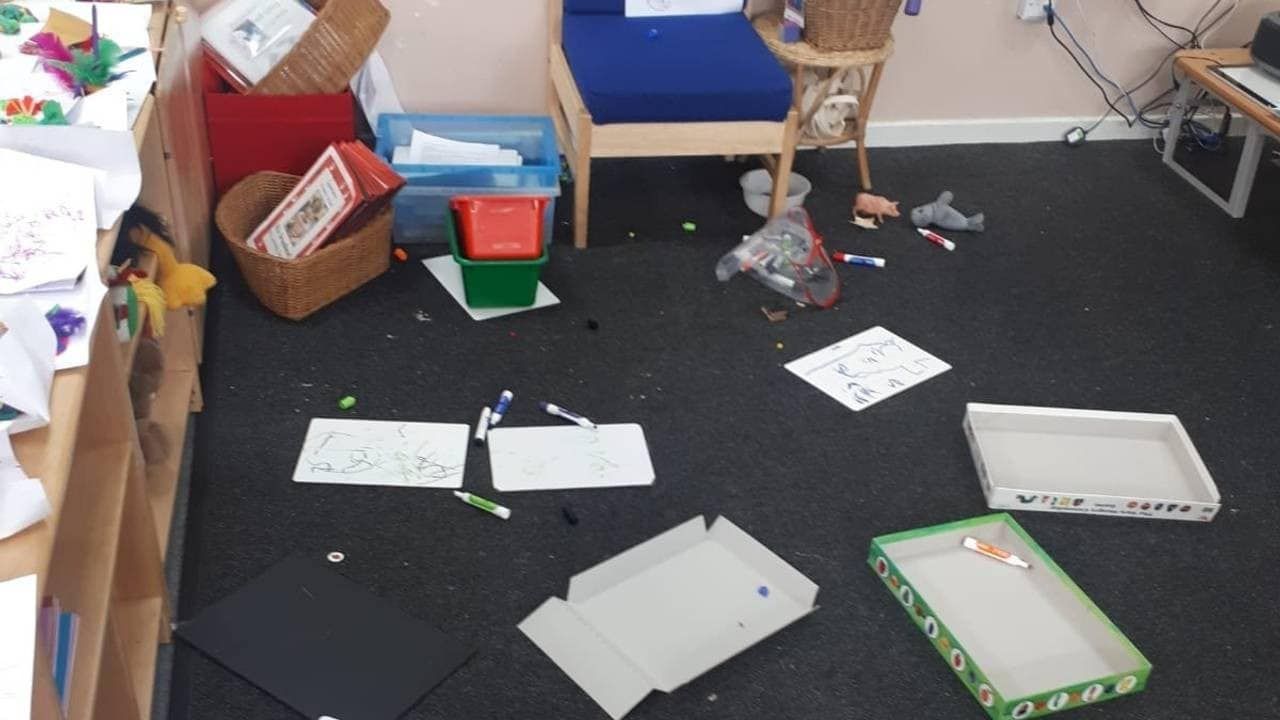
In many early years settings — and even at home — tidying up is built into the daily rhythm. We think of it as part of keeping the environment safe, organised, and ready for the next activity.
But here’s something to pause and consider…
When we tidy up while a child is still deep in play, we may unintentionally be sending messages we never meant to give:
🚫 “Your play isn’t important.”
🚫 “This space needs to be adult-ready, not child-ready.”
🚫 “The story you’re building isn’t worth finishing.”
🌸 The Hygge-Inspired Approach
In a Hygge-inspired early years practice, we embrace a slower, more respectful pace.
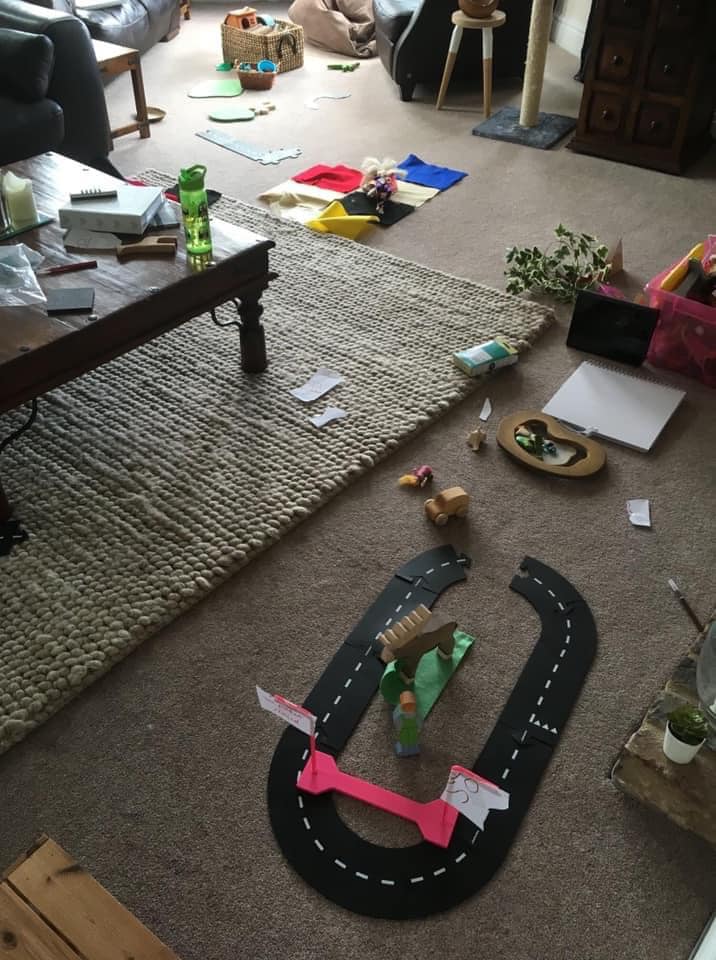
We allow the block city to remain standing overnight so its builder can return to it in the morning.
We leave the small world exactly as it was so children can pick up their story where they left off.
We understand that tidy doesn’t always mean “ready for learning” — sometimes, a little creative chaos is exactly what children need to feel immersed and inspired.
✨ Why It Ma...
Calling for Change
“Your Training Is So Different to All the Rest…”
It’s something I hear often.
And honestly, I take it as the highest compliment.
Because I’m not here to deliver another generic course.
I’m here to lead a conversation about doing things differently.
Slow Pedagogy.
Honouring the child’s lead in their play.
Calm environments.
Gentle rhythms.
Rich, responsive interactions that grow from real connection.
These are the things that matter to me.
And maybe that’s because I’m passionate about leading change in the Early Years.
About stepping outside the box we’ve been told to stay inside for far too long.
Because truthfully—what have we got to lose?
The System Is Struggling
We’ve been battling the same problems for decades, and very little has truly changed.
In a sector under immense pressure:
-
Recruitment, retention, and recognition are all falling short.
-
5–6% of preschool children—that’s 1 in 18—already have a diagnosable mental health condition.
So many more are unseen...
🌱 Scandinavian Grass Play Ideas
🐾 1. Barefoot Walking Trails
-
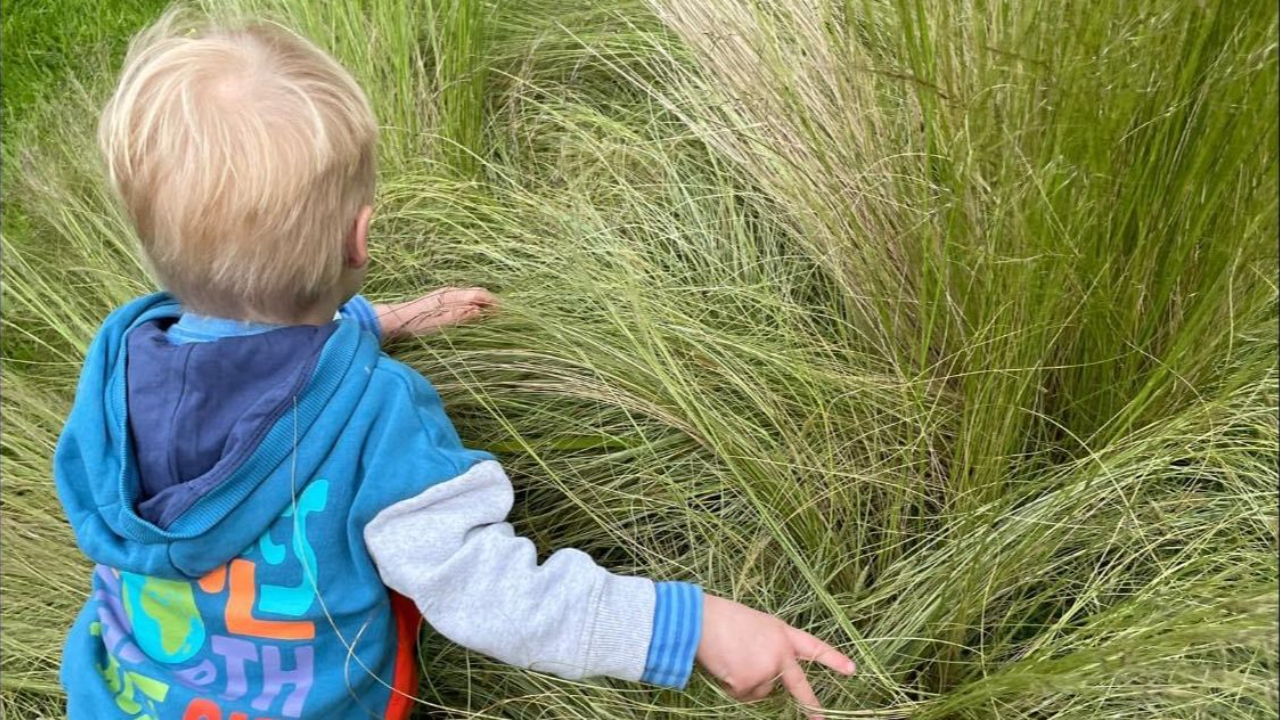
Create a barefoot sensory path across different grass textures.
-
Add sections with clover, moss, soft meadow grass, or damp earth.
-
Encourage slow walking to notice tickles, coolness, and prickles.
✨ Teaches grounding, calm, and body awareness.
🌾 2. Grass Weaving & Crowns
-
Weave long grass into bracelets, headbands, or simple mats.
-
Use dandelion stems or clover chains for colour.
-
Talk about how children in Sweden and Finland make floral crowns at Midsummer.
🦗 3. Meadow Bug Safaris
-
Provide magnifying glasses and bug pots to explore mini beasts.
-
Look for crickets, beetles, butterflies, and ants.
-
Encourage children to lie down quietly in the grass and listen.
“What stories do the grasshoppers whisper?”
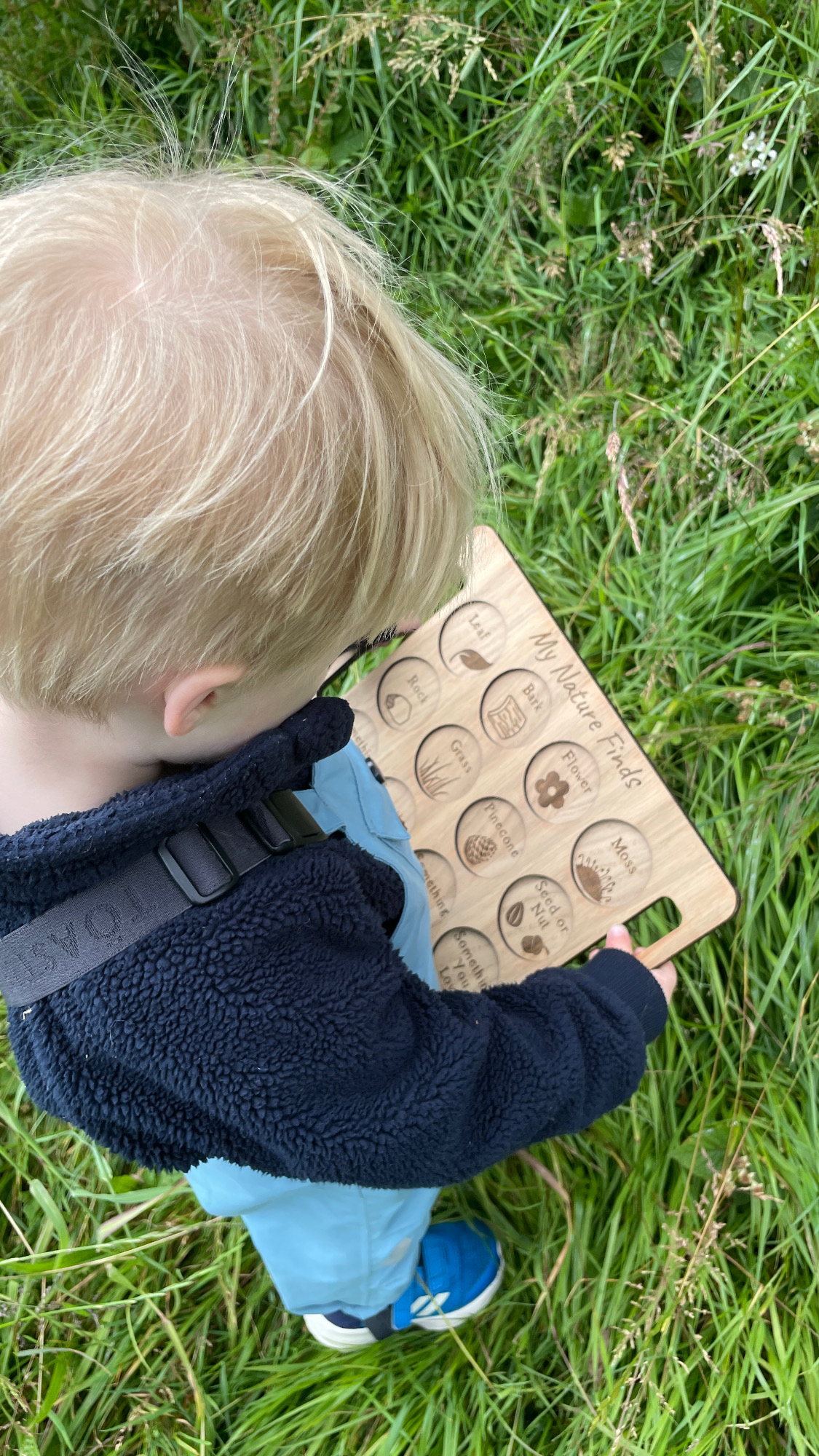
🎨 4. Painting with Grass
-
Bundle long grasses and use as natural brushes with paint or water.
-
Or dip seed heads in mud or clay to stamp textures onto fabric or paper.
-
Try
...
The Soul of Summer: Slow Days, Bare Feet, and Homegrown Joy
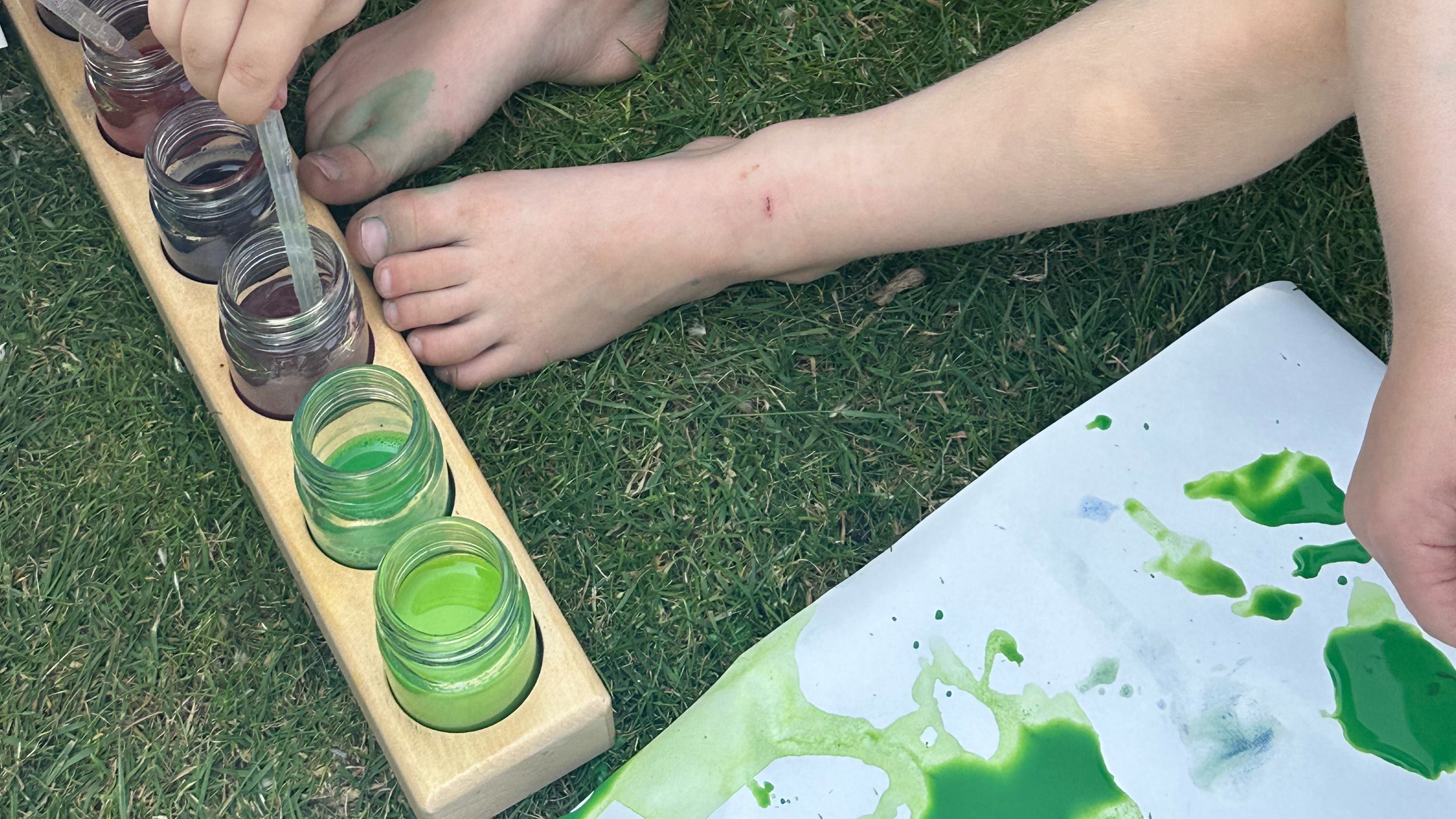
There’s a special kind of magic that settles in during the summer months — not loud or extravagant,
but quiet and golden. It lives in the in-between moments: the gentle clink of spoons in mixing bowls
under the shade of a tree, the giggles of children as they snack on strawberries they helped to grow,
the excited squeals of the garden as everyone watches a ladybird crawl across a tiny hand.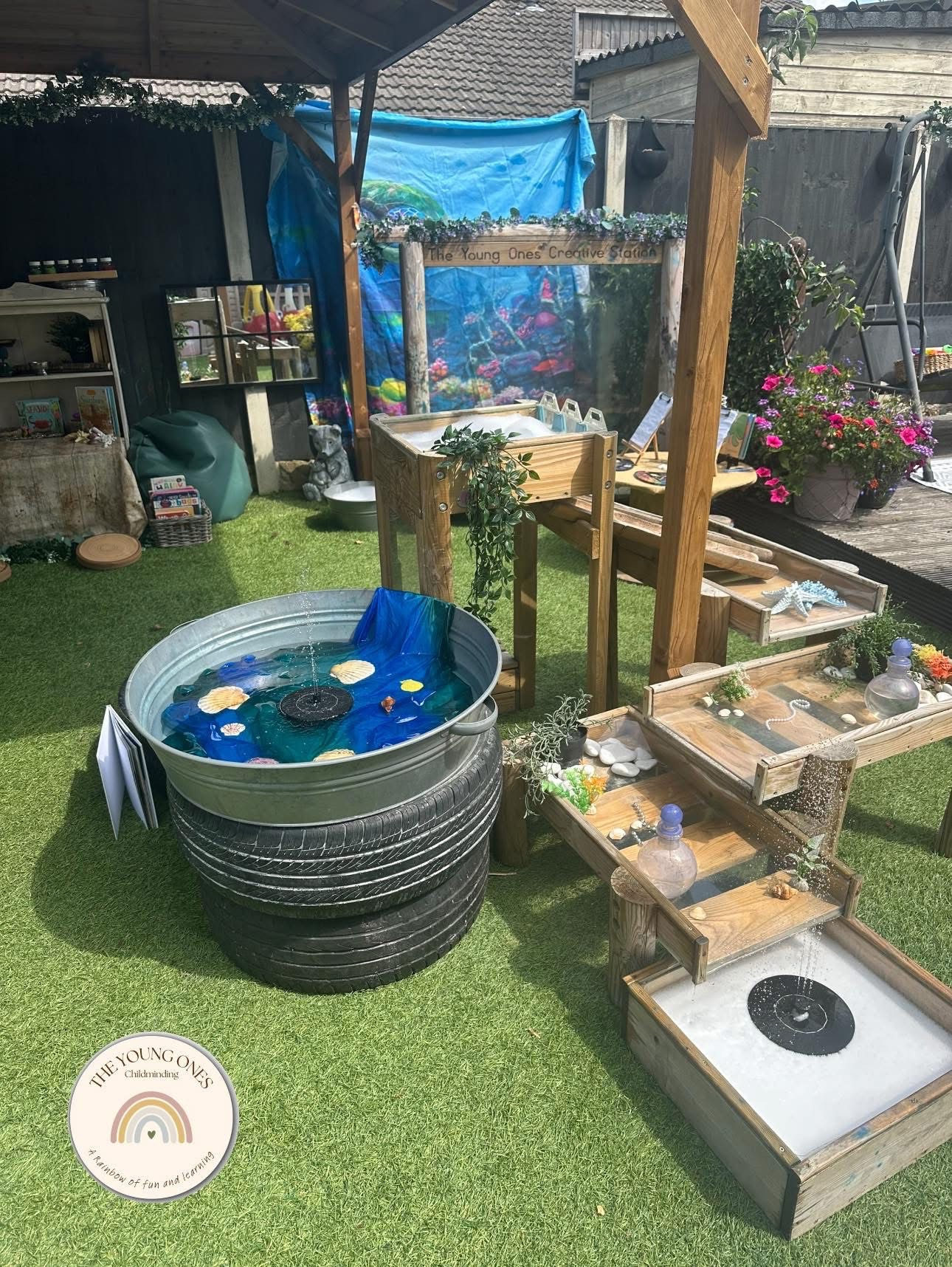
Summer in our setting isn’t about rigid plans or fixed outcomes. It’s about feeling the season — living
it, slowly and with intention.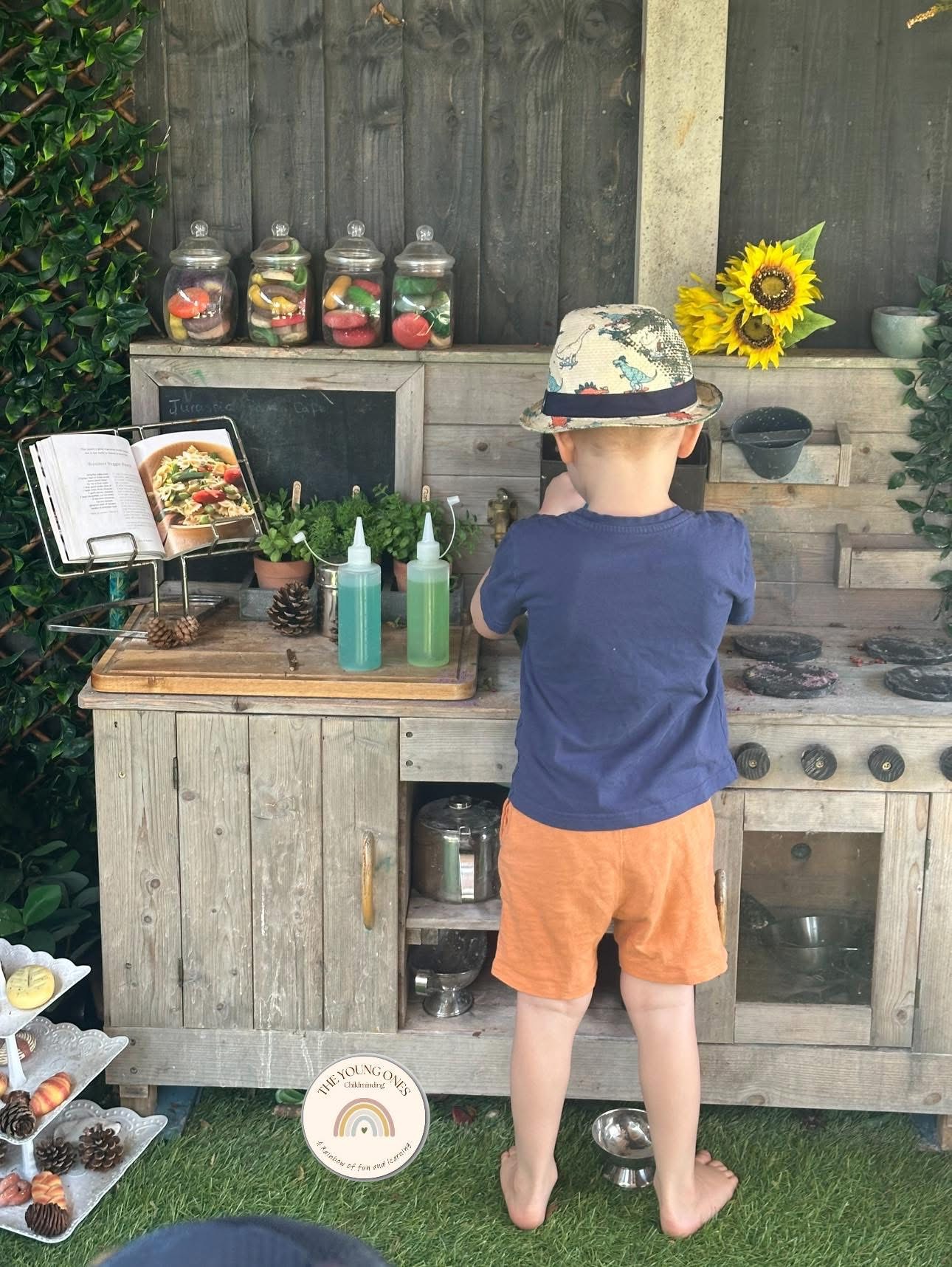
We spend much of our time outdoors. Alfresco dining becomes second nature, and meals are often
picnicked on a blanket in the garden, with the scent of herbs and freshly watered soil in the air.
There’s something beautifully grounding about sharing food under open skies. Somehow, even the
simplest snack feels like a feast when the sun is shining and everyone’s feet are bare.
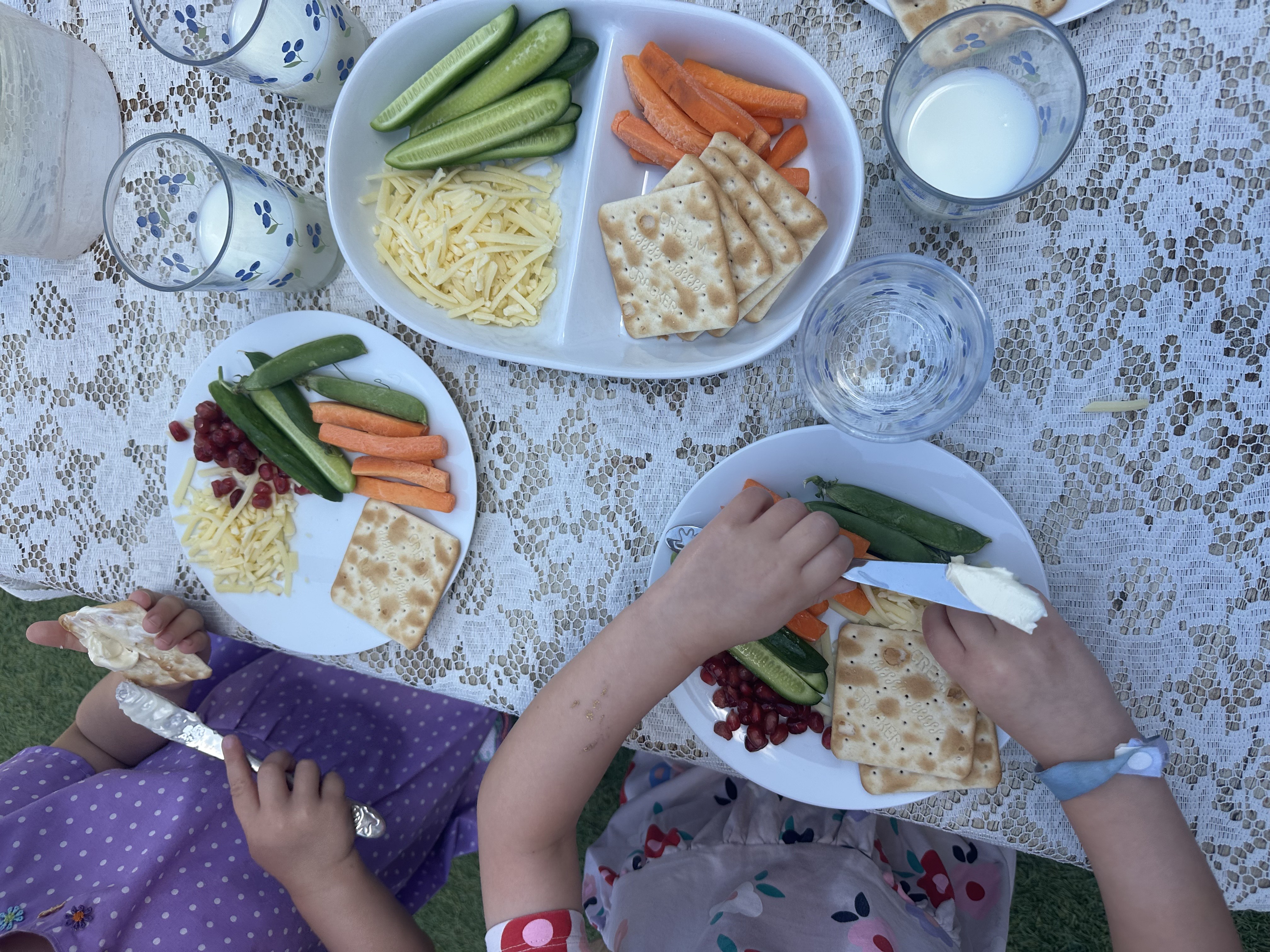
Our days follow a gentler rhythm in the warmer months. Mornings begin with open doors and
curious...
Exploring Elderflowers

The beautiful white, frothy elderflowers tend to bloom in late May, turning to

Here are a few activities to explore:
- Make delicious elderflower cordial or gin!
- Add them to cakes or biscuits
- Try them deep-fried to make tasty elderflower fritters
- Make elderflower jam
- Add them to homemade Playdough
- Add them to your mud kitchen and potions
- Paint Elderflowers using a cotton bud to create a spray of white flowers - or splatter the paint to see what effect you get.
Find out more about Hygge in the Early Years here.
🌿 Creating a Nature-Inspired Hygge Setting in the Early Years
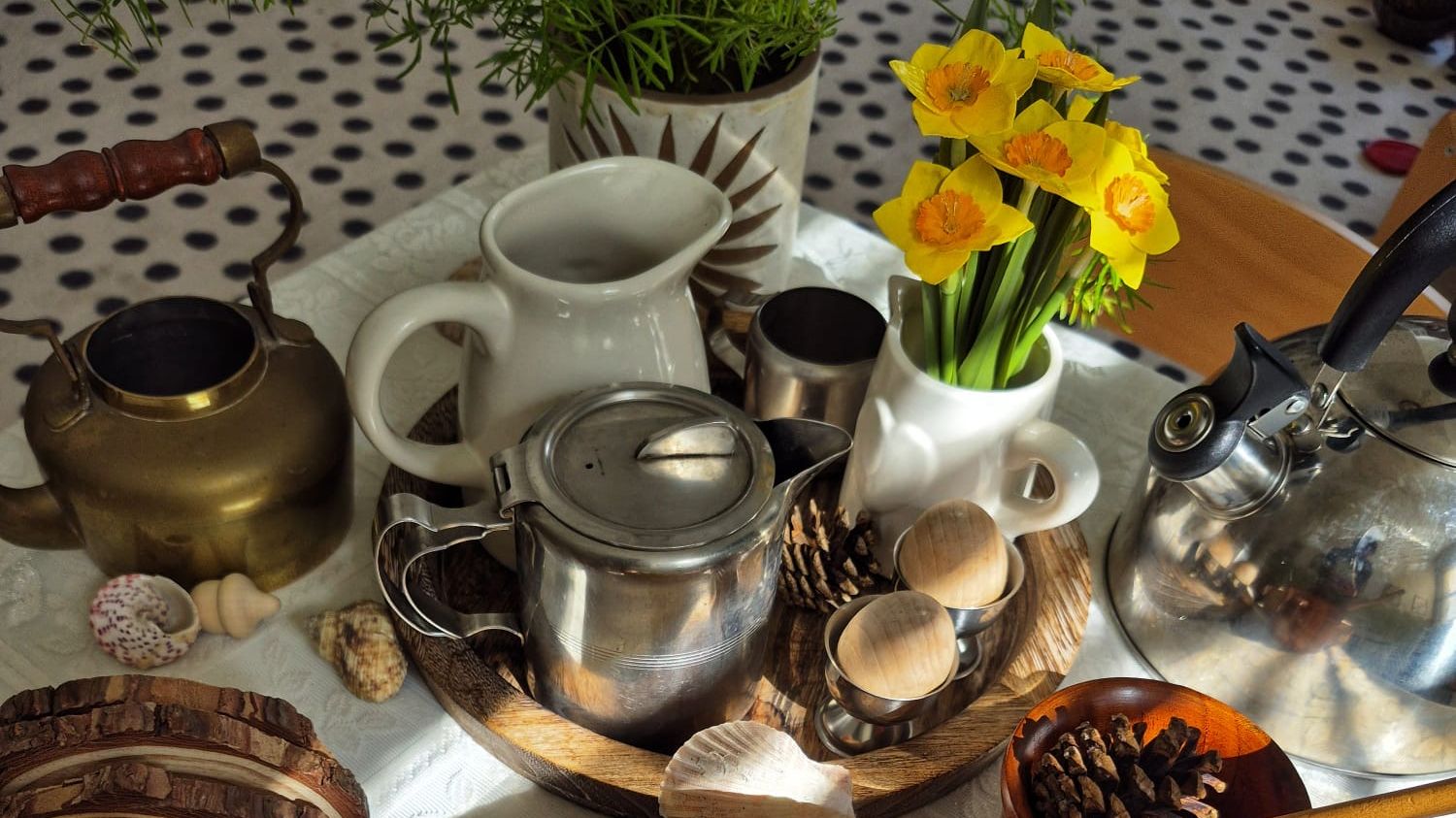
One of the things I love most about the Hygge in the Early Years community is seeing the incredible transformations members create in their own settings.
Not through spending thousands of pounds.
Not through following the latest trend.
But through small, intentional changes that place children's wellbeing, connection and happiness at the centre.
Today's guest post comes from the wonderful Gemma Oliver, a dedicated childminder and Hygge in the Early Years member, who has gradually transformed her setting into a calm, nature-rich environment where children can truly thrive.
As you read, I wonder how many of Gemma's experiences will resonate with your own setting.
Because what she has created isn't out of reach.
It's exactly the kind of transformation I help educators achieve inside my free training.
🌿 FREE TRAINING: 3 Steps to Creating a Calmer, More Engaged Early Years Environment
If you've ever felt overwhelmed by behaviour, constant planning or the pressure to do more and mor...
🌿 Creating a Nature-Inspired Hygge Setting in the Early Year
This wonderful guest post is from my member Gemma Oliver who is also a fabulous Hygge in the Early Years Member
Over the past few years, I’ve been exploring the different areas of my setting and taking a deeper look at the learning opportunities we offer. A key focus has been how we incorporate Hygge into our everyday routines—creating calm, connection, and a sense of belonging for the children in our care.
A Shift Toward Nature-Based Learning
Our journey has led us to gradually adapt our outdoor provision to reflect a more nature-based way of learning. This ethos now sits at the heart of our setting. Hygge in the Early Years helped me to understand the importance of connecting with nature, and how vital this connection is to supporting children’s development and wellbeing.
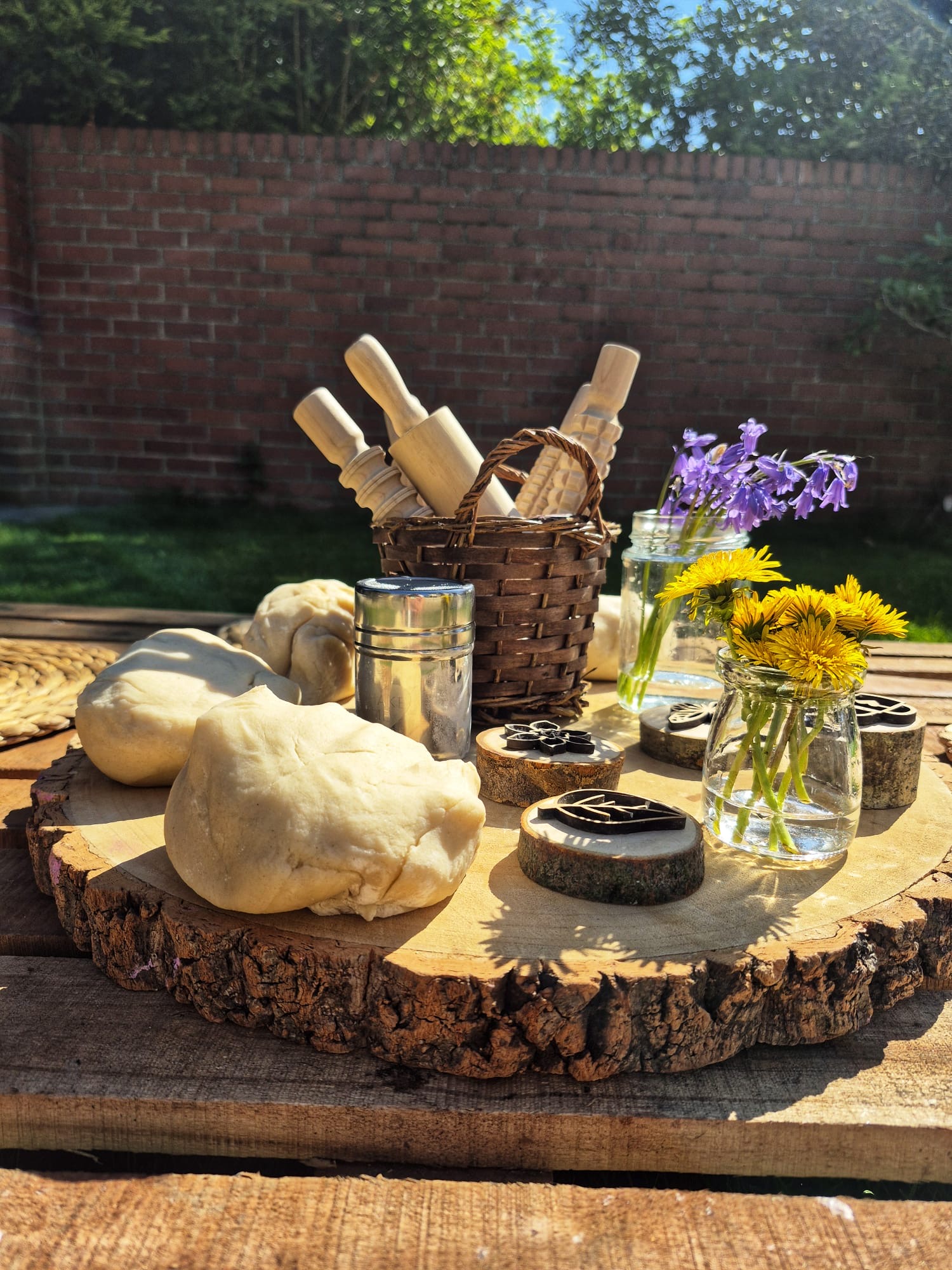
We spend much of our time outdoors—whatever the weather—and often barefoot. There’s something truly special about children feeling the earth beneath their feet. It brings a beautiful sense of freedom...
A Free 30-Minute Training to Bring Calm Back Into Your Early Years Practice
Environment Audit
Download your Environment Audit Workbook and begin creating calmer days, deeper play and less overwhelm for the year ahead.
