
Blog
A calmer way to teach, lead and nurture childhood.
Practical ideas, reflective insights and nature-led inspiration for educators who want to do less — and do it more meaningfully.
Start here if...
Openwoodgate Preschool - Our Hygge Journey

Hygge in summertime is not that different to hygge in Autumn or wintertime. I was inspired to continue our Hygge journey over the summer holidays even though our setting is term time only.
Here are my top 10 ideas for creating inspiring Hygge activities for your little ones...
1. Sunflower Soup

A super quick and easy water play activity requiring very little set up.
All you need is a large pot full of water (i like to colour my water), bowls, spoons, sunflowers (I tend to use ones that are almost past their best) and any other added extras you like! (Pipets are always fun and good for fine motor development)
2. Ice play

Sticking with the water theme and with the British summer being a bit unpredictable you have to grab these hot days when you can! And what better way to cool off than with an ice play activity?
All you need is a couple of things...
Ice (make sure to freeze the day before if doing a large volume), cutlery, pots and pans! You can add in coloured water, flow...
How To Flourish This Autumn with Hygge in the Early Years

How to flourish this Autumn with Hygge in the Early Years...
As the leaves become crunchy underfoot here are a few simple ways to enjoy Autumn.
 Batch cook some delicious meals
 Take a woodland walk
 Create some natural displays in your home and setting with pumpkins, squash, twigs, pine cones and acorns.
 Make a blackberry crumble Hang an autumn wreath on your door at home and setting Fill jars with autumn leaves and fairy lights
 Make a gratitude list and be thankful for the moments and things you have
 Set up a seasonal small world scene of your local area Add seasonal items and books to your nature shelf
For more seasonal ideas see my Re-Wilding your Wanderlust Child Nature Study Programme
Some books to inspire you:


5 Simple Lavender Activities

Lavender is a versatile herb with numerous properties beneficial to health, wellness, and everyday life. Its calming aroma, therapeutic benefits, culinary uses, and role in personal care and household products make it a valuable and widely appreciated plant.

Lavender can be grown from seed and is a great sensory ingredient to explore. It attracts pollinators like bees and butterflies, making it a beneficial plant for your garden. Add it to playdough, potions, make lavender perfume or dry it and add sachets to your room indoors to create a beautiful calming scent. Lavender oil has antiseptic and anti-inflammatory properties, making it useful for treating minor burns, insect bites, and skin irritations. You can also use it in cooking and natural cleaning products. Lavender has a calming effect, relaxing you, aiding sleep and reducing stress and anxiety.
6 Simple Daisy Activities for Children

Here are 6 simple and engaging daisy-themed activities for children:
1. Daisy Chains
Collect fresh daisies with long stems. Make a small slit near the base of each stem using your fingernail then thread the next daisy’s stem through the slit and repeat to create a chain.

2. Daisy Painting
Pour a small amount of white, yellow and green paint. Show children how to dip their thumbs in white paint and press them onto paper to create daisy petals. Use a fingertip dipped in yellow paint to make the center of each daisy. Add stalks with green.
3. Daisy Planting
Plant some seeds and look after them until they grow. Ox Eye daisies are a lovely alternative as they are much bigger.
4. Daisy Mud Pies in the Mud Kitchen
Create mud pies and buns in the mud kitchen and decorate with daisies! You could make a daisy potion.

5. Daisy Counting Game
Simply count your daisies on a ten frame or in a line. How many can you count?
6. Daisy Playdough
Add Daisies to your playdough station.
...
7 Ways to Get Barefoot in Nature Today!

Young children love to be free and take off their clothes. Yet we can be so quick to cover them up, especially their feet! Children in the UK are often given shoes even before they can walk.

Being barefoot is so beneficial and we feel so much of the world through our feet. A study in the journal 'Frontiers in Pediatrics' has shown that children who spend most of their time barefoot have increased motor skills and are better in jumping and balancing.
Many teachers and forest school leaders here in the U.K share their experiences of children lacking in co-ordination and balance when moving around the uneven forest floor.
When we spend time indoors we are greatly limiting the types of surfaces children learn to walk on and get used to moving around on. These are normally smooth and firm with no roughness or bumps.
When we take our shoes and socks off outdoors we are also connecting our bodies directly to nature which benefits our wellbeing too. Helping our mental health and bring...
Should learning be beautiful?

I have heard people say:
'Children don't need beautiful set ups in their play. This has only been created for the adult.'
My personal belief here is that like most things in life we need balance.
We need reflection.
We must go back to the child.
We can create invitations to play that pay great attention to detail because we are responding to an emerging interest and we want to captivate the child's awe and wonder even more. We want them to be excited about the possibilities of deepening this learning or fascination so we present it to them in an open ended and irresistible way.
I also know that amazing learning happens when things are a bit more rustic and even messy! Exploring the patterns the numicon plates leave in the shaving foam, the changes to the clay when it's been left outside in the rain or the cardboard box that's been transformed into Elsa's frozen castle with little more than the imagination.
Children and their learning needs can be neglected when we lose sig
...Drizzle and Rainy Day Play
“Drizzle happiness wherever you go.”


- ...
Maps - Creating a sense of wanderlust in young children

I love maps and have got quite a collection now at home! As a child my grandparents would also have their maps and travel guides out and I used to be fascinated in looking at them. I would love going on long car journeys and following our route on the AA road map (before the time of Sat navs) and they would always give me such a sense of excitement. These days I love using maps for planning road trips around new places or finding a new Wainwright to walk in the Lake District.

Maps are a great way of creating that sense of Wanderlust in young children and there are many ways we can support this in our homes and learning environment. Perhaps having a world map on the wall with places pinned off that have been visited by someone we know, when visiting a local park with children encourage them to use a map to discover where they would like to go, a collection of maps in a basket in a book corner along with some travel guides and postcards, a globe to explore and lastly going on an adven...
Advent

There are many different ways that we can prepare for advent with young children and our loved ones. I like to make this time full of hope in my setting and learning environment and think about ways we can add a dose of cosy too!
I have created a FREE printable hygge in the early years advent calendar that can be used as a family to focus on collecting moments and making memories together over the festive season. Let's not forget the only Christmas present we wanted last year was to see family and friends. It's easy for the commercial side of Christmas to run away with us and make us forget what's important.

I like to stick my daily hygge prompts into a little envelope or a postage tag and hang these up. We then take it in turns to open one each day over breakfast.

You might also decide to light an advent candle. In Denmark families enjoy foraging for natural treasures in the forests like bark, berries, twigs, moss and pine. They then enjoy coming home into the warmth and h...
Dandelion Playdough

After seeing an article on using natural dye to colour the play dough we decided to give it a go with Dandelions. The field near us was about to be cut and so we rushed to collect as many daffodils as we could to use in our recipe before they were destroyed.
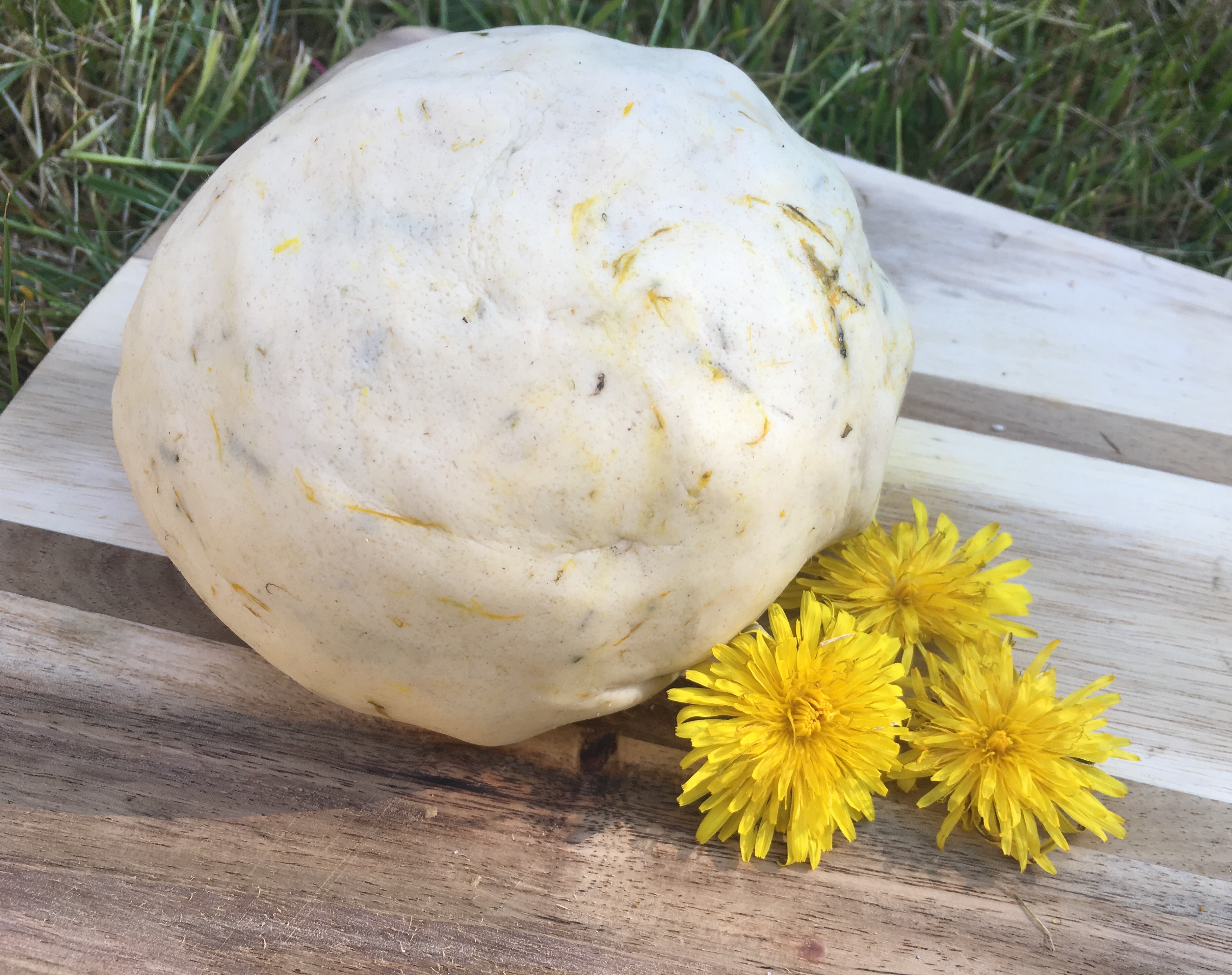
We love Dandelions and so do the bees! So it's really important that we don't take these away from the wildlife they support. As they come back year after year and have one of the longest flowering seasons of most plants many gardeners actually dislike their success and try and get rid of them!
To make our natural play dough we followed this recipe we found online;
Ingredients
- 2 cups flour
- 1 cup of boiling water
- 1/2 cup salt
- 1 tablespoon cream of tarter
- 2 tablespoons vegetable oil
- 10-15 dandelion flowers with petals pulled out
Method
- Take your dandelion heads and put them into a cup of boiling water. Stir with a fork.
- In a mixing bowl add your other ingredients and mix with a wooden spoon.
- Once your water and ...
A Free 30-Minute Training to Bring Calm Back Into Your Early Years Practice
Environment Audit
Download your Environment Audit Workbook and begin creating calmer days, deeper play and less overwhelm for the year ahead.
