
Blog
A calmer way to teach, lead and nurture childhood.
Practical ideas, reflective insights and nature-led inspiration for educators who want to do less — and do it more meaningfully.
Start here if...
You Don’t Need to Feel Guilty for Having No Plans This Weekend
While everyone around you is immersing themselves in all things Christmas — fitting in ballet, swimming, gymnastics, parties, pantomimes and festive events — you might be feeling the quiet pull to… stop.
And that’s okay.
Enjoying the Hygge way of living is all about being gentle and kind to yourself and those around you. It’s also about knowing when to say no to the things that quietly drain your energy, even when they look joyful on the surface.
After a full-on week of starting festivities at school, organising Elf on the Shelf, Christmas discos, putting decorations up and trying to squeeze everything in, it’s possible to deeply love Christmas… and still desperately need some quiet.
You may notice you’re exhausted. That your patience feels thinner than usual. That you’re being short with the children — not because you don’t care, but because you’re expecting too much of them when they are already doing their very best to cope.
Christmas Through the Eyes ...
Do you feel like you’re holding the emotional regulation of 30 children right now?
Are You Holding the Emotional Regulation of 30 Children Right Now?
Every year, around this time, I start having the same conversations with early years educators.
The exhaustion creeps in.
The noise levels rise.
Children seem more emotional, more reactive, more tired.
And practitioners are quietly running on empty.
After more than 20 years in early years education, leading teams, supporting settings and now as a mum myself, I've come to realise something important:
December isn't just busy for children.
It's busy for us too.
Because in the run-up to Christmas, we're not simply teaching.
We're holding emotions.
The glitter is out.
The routines wobble.
The excitement builds.
The tears arrive more quickly.
The behaviour feels bigger.
And often, we become the emotional regulation system for an entire room of children.
You can feel it in your bones.
It's beautiful.
It's magical.
And it's utterly exhausting.
I remember feeling this when I was leading a setting. We'd reac...
The Children Who Need More Play… Are Often Getting Less
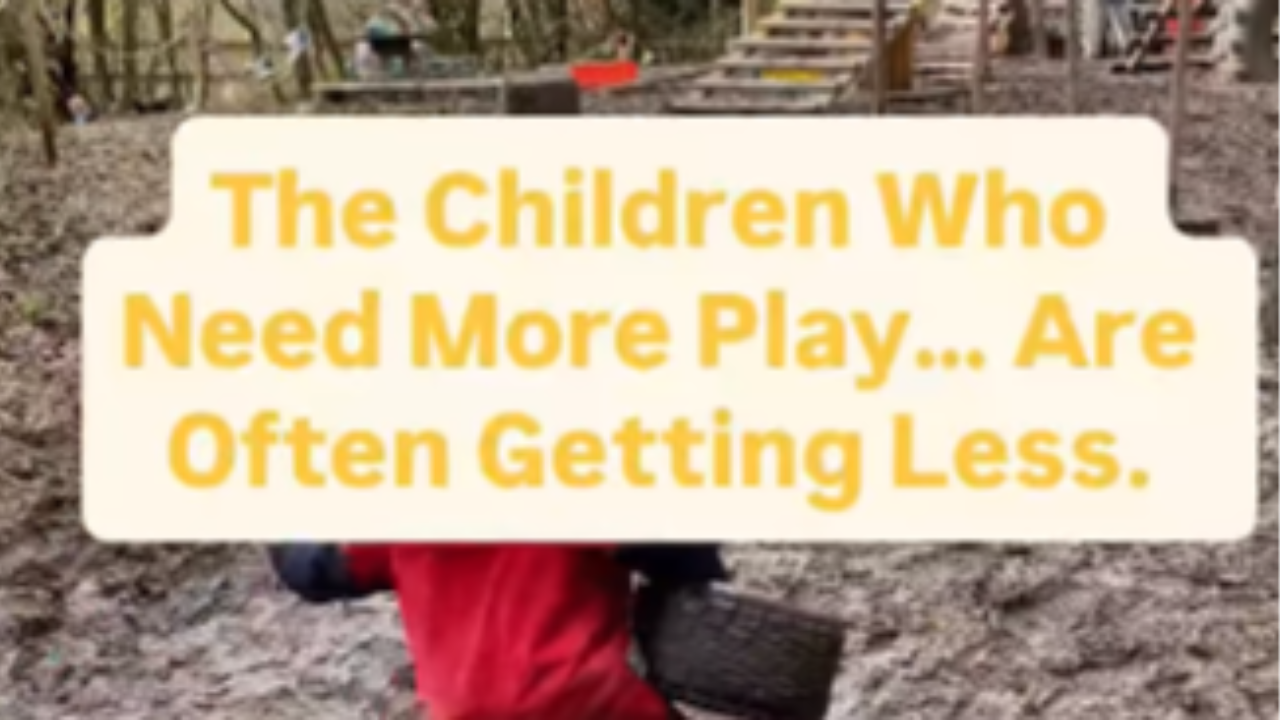
A conversation I have with educators time and time again goes something like this:
"I know this child needs more play... but they're on three intervention groups."
And every time, it makes me stop and think.
After more than 20 years working in Early Years education, leading a school from inadequate to outstanding, supporting hundreds of settings and studying Scandinavian approaches to childhood, I've noticed something that doesn't sit comfortably with me.
The children who are struggling the most are often the children spending the least amount of time playing.
The very thing that could support their language, confidence, wellbeing, relationships and learning is often the first thing taken away.
When Did We Start Taking Children Away From What Helps Them Most?
If you've ever looked at your intervention list and felt your heart sink, you're not alone.
Phonics group.
Fine motor intervention.
Speech and language support.
A catch-up maths activity.
Another phonics recap.
And be...

🕯️ Finding Calm and Connection in Winter: A Hygge Approach to Early Years
As the darker days draw in, it’s so easy to find ourselves rushing — from one task to the next, from one demand to another.
The mornings are darker, the afternoons shorter, and somewhere in between we’re still expected to keep everything running with the same energy as September.
But what if this winter felt different?
What if instead of pushing through, we slowed down — and listened to what the season is gently asking of us:
to rest, to restore, and to reconnect.
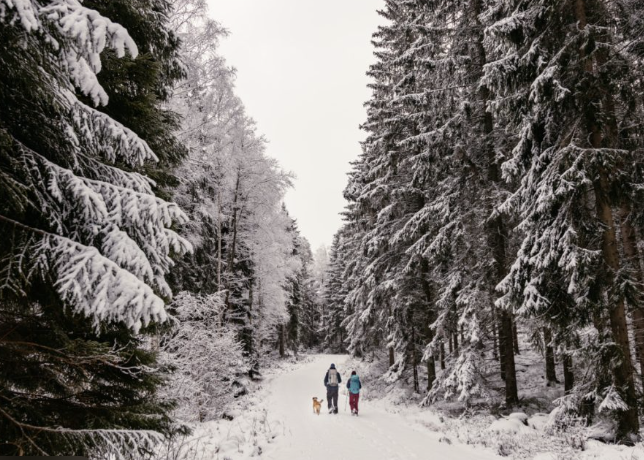
🌿 The Season of Stillness
In Scandinavia, winter is not seen as something to endure, but something to embrace.
It’s a time for gathering closer, lighting candles, creating warmth through connection, and finding joy in the small, ordinary moments.
They understand that our energy isn’t meant to stay the same all year round — and that slowing down isn’t a sign of weakness.
It’s wisdom.
Our bodies, minds, and hearts need different rhythms in win...
Re-Imagining Childhood and Education 🌱
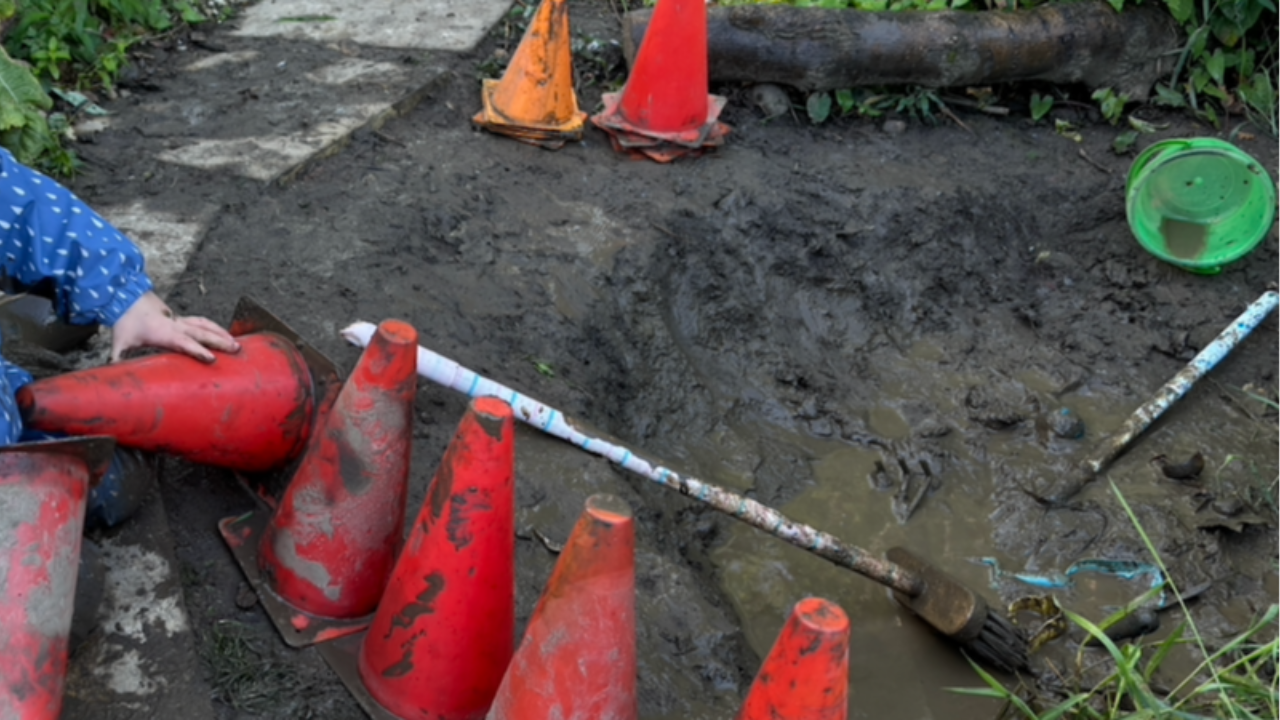
The other day, I watched my three-year-old at forest school, sitting in a water-filled hole, absolutely delighted with the sensory experience of mud and water.
And I paused.
I found myself wondering: What does his future look like?
How will the decisions we make as parents — about how he’s educated — allow him to keep following what lights him up?
How will education give him the freedom to pursue his own creative discoveries?
Are We Looking at Childhood All Wrong?
The education system we have today doesn’t always recognise, value, or appreciate the beautifully unique ways all brains see the world.
And yet, so many of the people who have shaped our world — Albert Einstein, Isaac Newton, Greta Thunberg — were not traditional learners. They thought differently. They were different.
So perhaps the problem isn’t with children at all.
Perhaps the problem is the way we view childhood.
Beyond “Success”
Instead of preparing children for work, shouldn’t we be preparing them to find j...
Struggling to feel excited for the day? Try this…
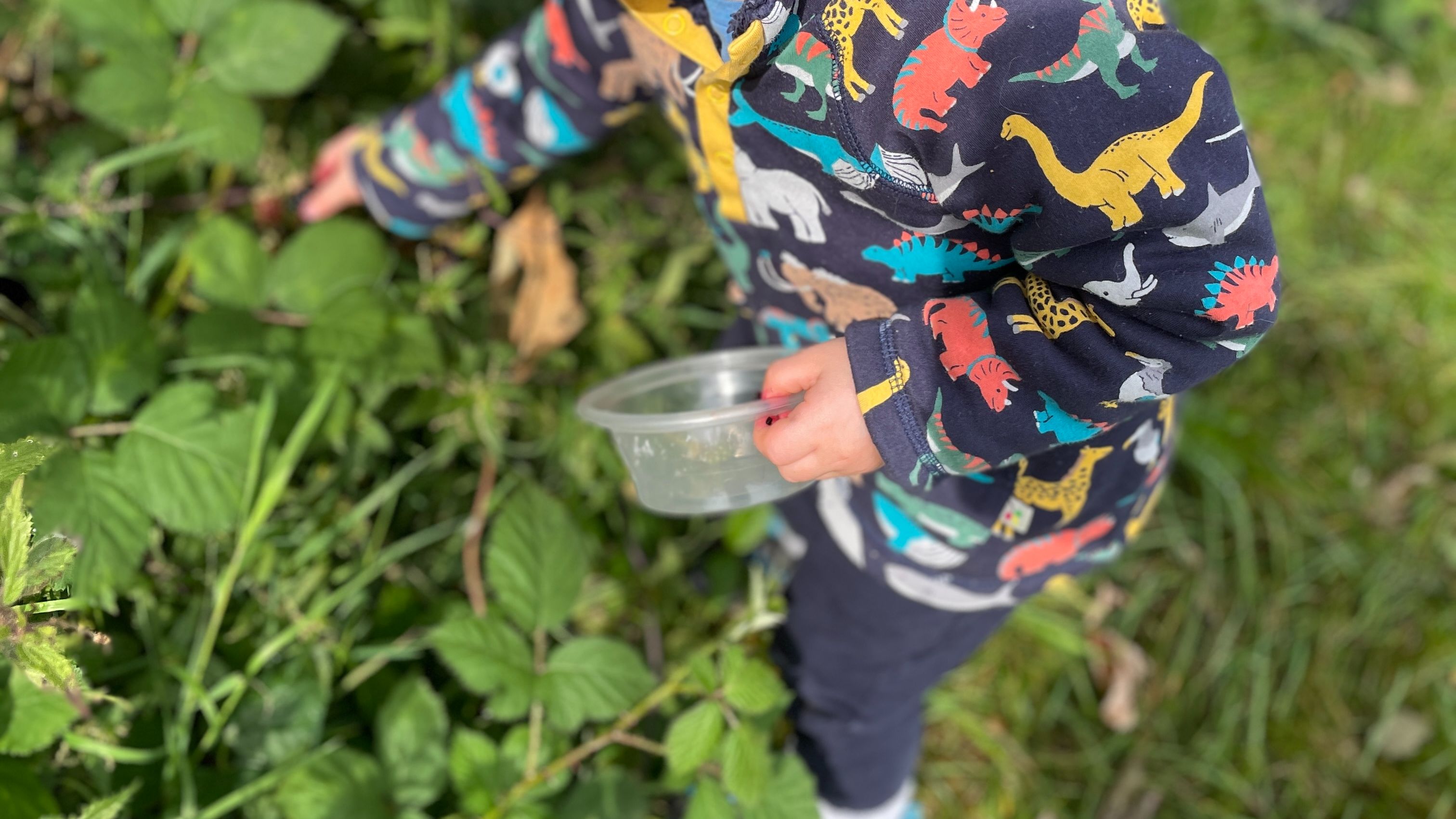
As early years educators, we pour so much of ourselves into our work. Some days feel full of energy and inspiration; others feel heavy or simply exhausting. Here’s a gentle truth: when we feel excited for the day—even about one small thing—that energy flows to the children. Our mood is contagious.
I love dropping my little wildling at nursery and hearing, “We’re going blackberry picking today!” or “Come and see what I’ve brought to learn more about aquariums!” That kind of attitude oozes excitement and tells a child their day will be full of wonder.
🌞 Start with you
 Before you step into the classroom, take a moment for yourself.
-
Enjoy a warm drink in peace, by a window or outdoors.
-
Write one intention for the day: “I’m going to notice children’s joy in play,” or “I’m taking my maths session outside today.”
-
Put on a favourite playlist or take a mindful walk.
When you start nourished, you arrive with presence.
🌿 In the classroom
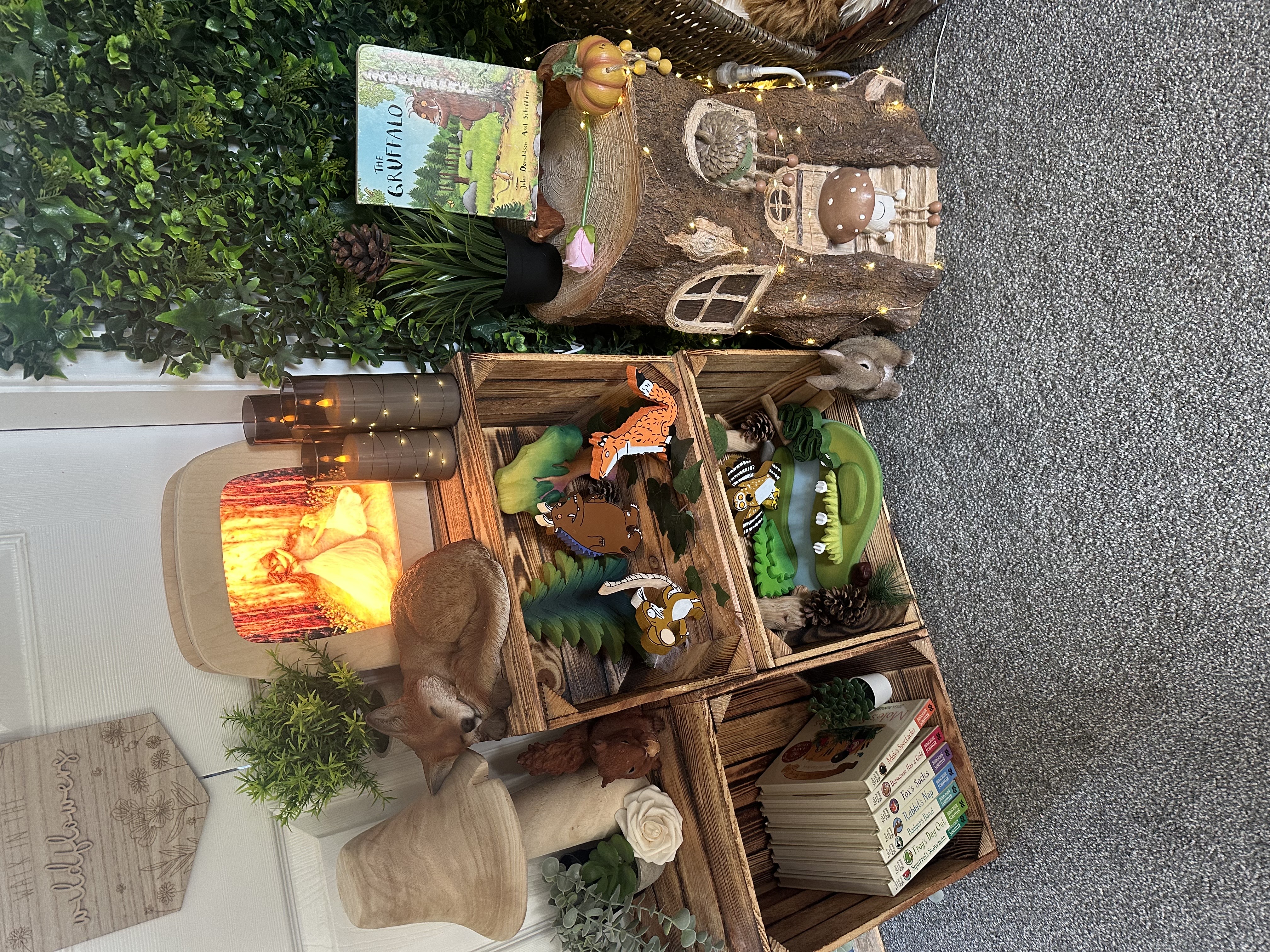 Choose one element of the environm...
Slowing Down This Autumn: Rewilding Your Wanderlust
The beginning of the new school year shouldn’t have to feel stressful. Too often, September arrives with a rush of planning, preparation, and pressure—but what if we reimagined these early weeks? What if, instead of rushing, we filled our days with connection, calm, and time together?
One of the simplest ways to bring this shift is by stepping outdoors. Nature has an incredible way of grounding us—slowing our pace, calming our minds, and opening our eyes to the magic in the everyday. And the best part? Learning in nature doesn’t demand endless resources or preparation. The forest floor, the hedgerow, and even the schoolyard are already brimming with invitations to play. Less equipment means less tidying up, leaving more time for what really matters—being present with the children.
A Slow Approach to Pedagogy
Slowing down doesn’t mean doing less—it means doing with more intention. A slow pedagogy invites us to follow children’s interests, to notice what captures their hearts and mind...
Slow Pedagogy: Allotment Play in the Early Years
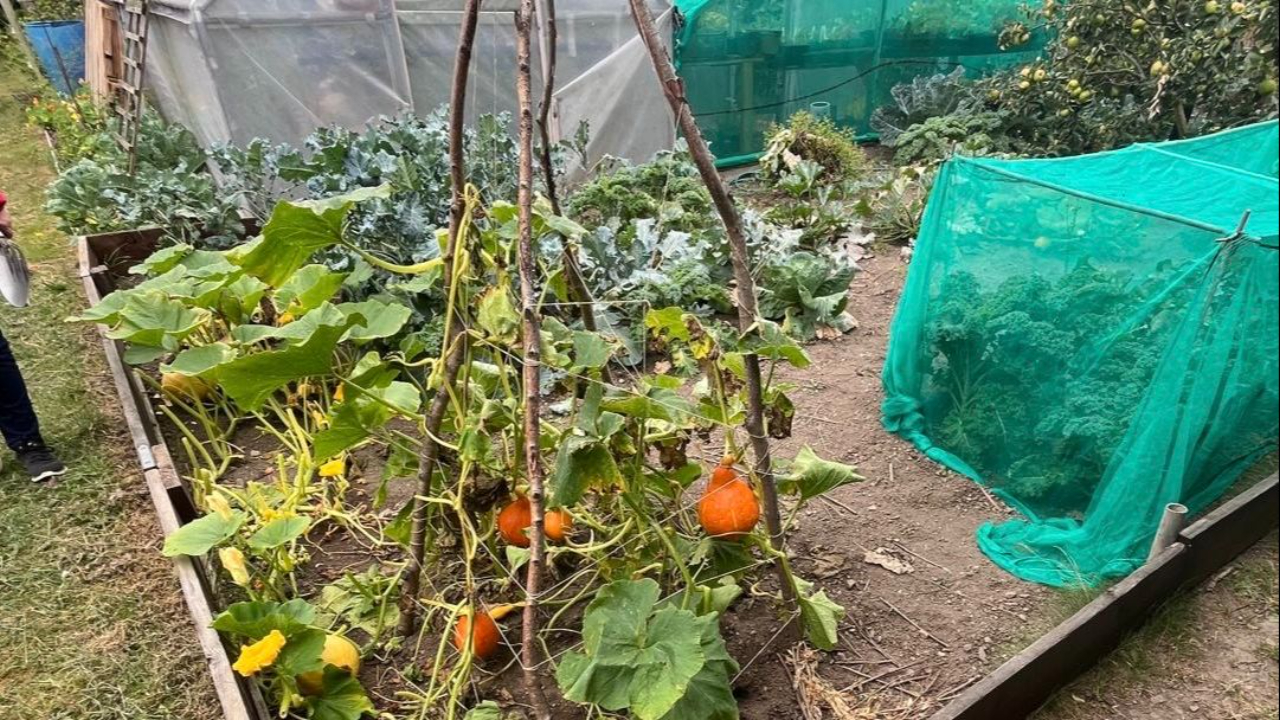
The Benefits of Allotment Play in the Early Years 🌱
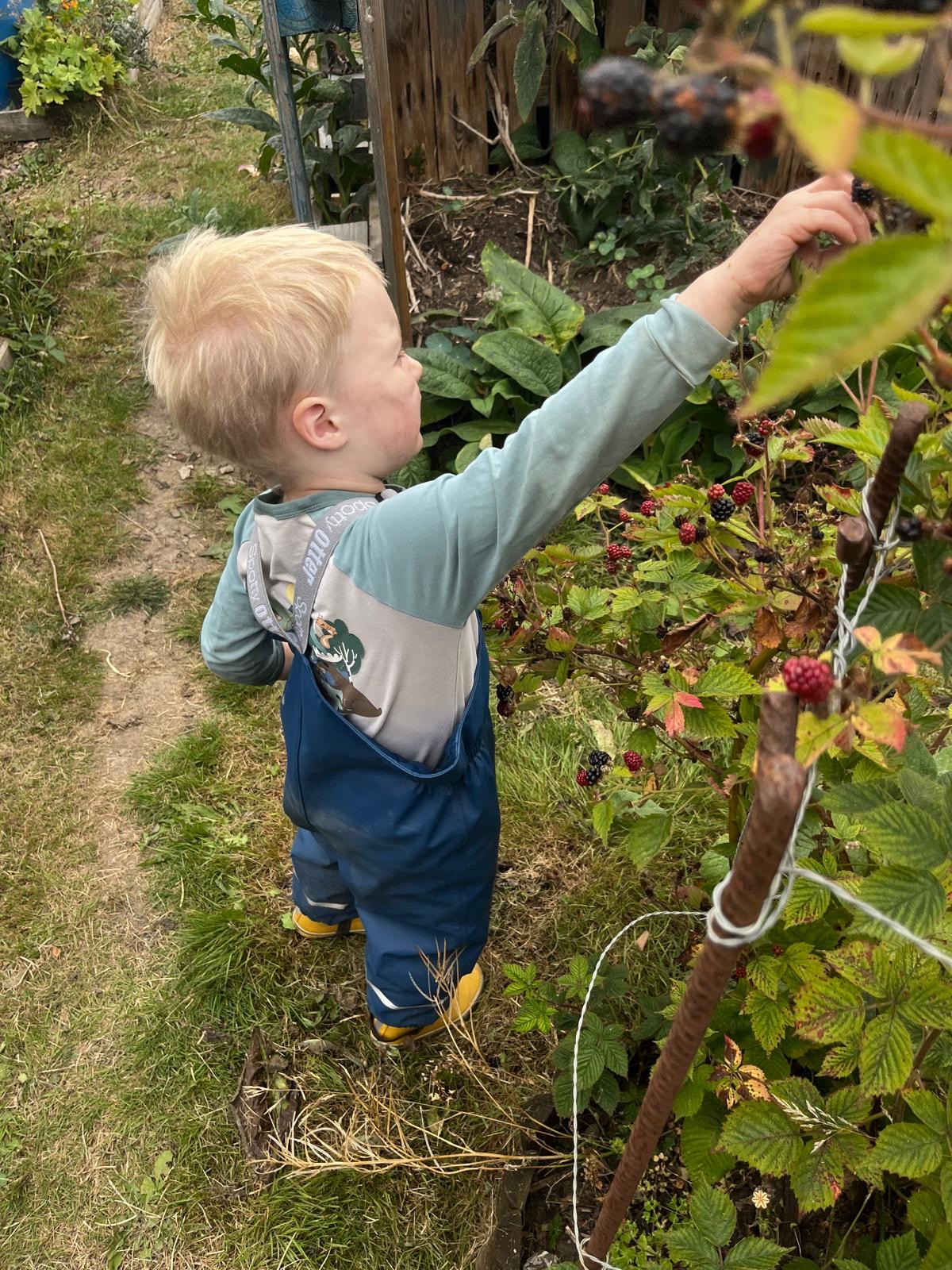
Imagine a space where children can dig in the soil, water seeds, pull up carrots, and taste sun-warmed strawberries they’ve grown themselves. Allotments offer just that—a living, breathing classroom full of opportunities for play, discovery, and connection.
In the early years, play in an allotment setting is about so much more than gardening. It nurtures the whole child—physically, emotionally, socially, and cognitively—while fostering a deep relationship with nature and the rhythms of the seasons. We love visiting our friends allotment and noticing the seasonal changes. It's such a beautiful space to slow down and be present in the moment without the distraction of toys, noise and too much.
🌿 Physical and Cognitive Growth
Allotment play provides rich opportunities for developing both fine and gross motor skills. Digging, carrying watering cans, planting seeds, and pulling up vegetables all strengthen muscles and coordination...
✨ Why You Won’t See Many Chairs in a Hygge-Inspired Early Years Space
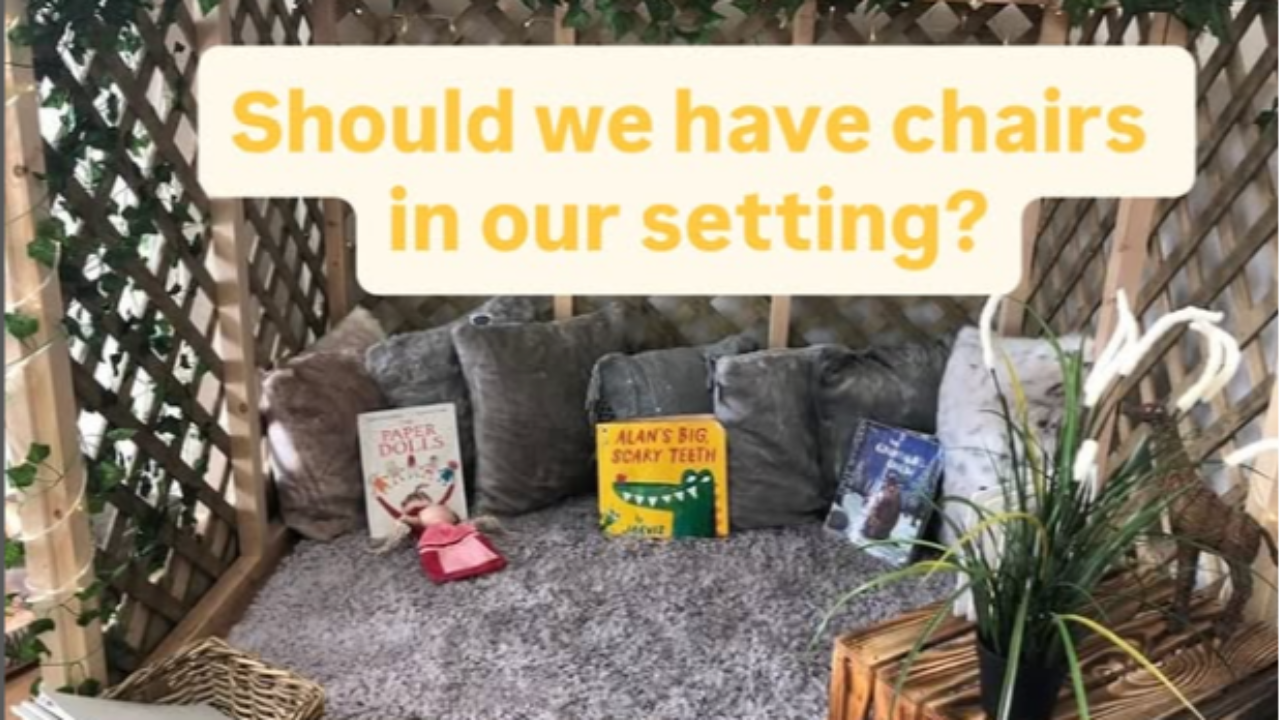
Walk into a typical early years classroom and you might see rows of chairs tucked under tables, ready for the day’s activities.
But step into a Hygge-inspired space and you’ll notice something different… there aren’t many chairs at all.
And that’s no accident.
🌿 Freedom to Move, Freedom to Learn
In a Hygge setting, children aren’t confined to one seat. Instead, they have the freedom to move, curl up, kneel, or sprawl out as they follow their curiosity. This flexibility isn’t just about comfort — it’s about supporting how children naturally learn and interact with the world.
Fewer traditional chairs means:
🌿 More room for open-ended play — spaces can shift and adapt to children’s needs.
💛 Cosy, home-like corners where children feel safe and settled.
🧠 Movement that supports focus and wellbeing — little bodies learn best when they can change position often.
🪑 What You’ll Find Instead
Rather than neat rows o...
Are you guilty of tidying up around the children?
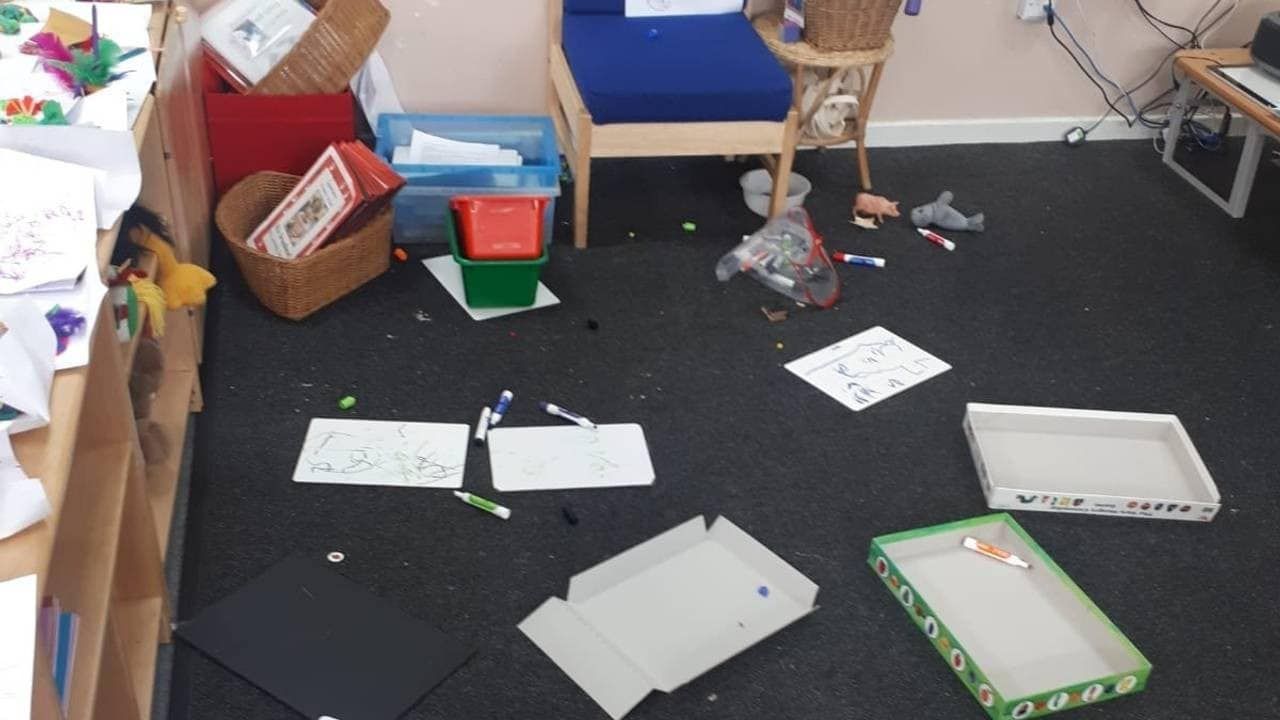
In many early years settings — and even at home — tidying up is built into the daily rhythm. We think of it as part of keeping the environment safe, organised, and ready for the next activity.
But here’s something to pause and consider…
When we tidy up while a child is still deep in play, we may unintentionally be sending messages we never meant to give:
🚫 “Your play isn’t important.”
🚫 “This space needs to be adult-ready, not child-ready.”
🚫 “The story you’re building isn’t worth finishing.”
🌸 The Hygge-Inspired Approach
In a Hygge-inspired early years practice, we embrace a slower, more respectful pace.
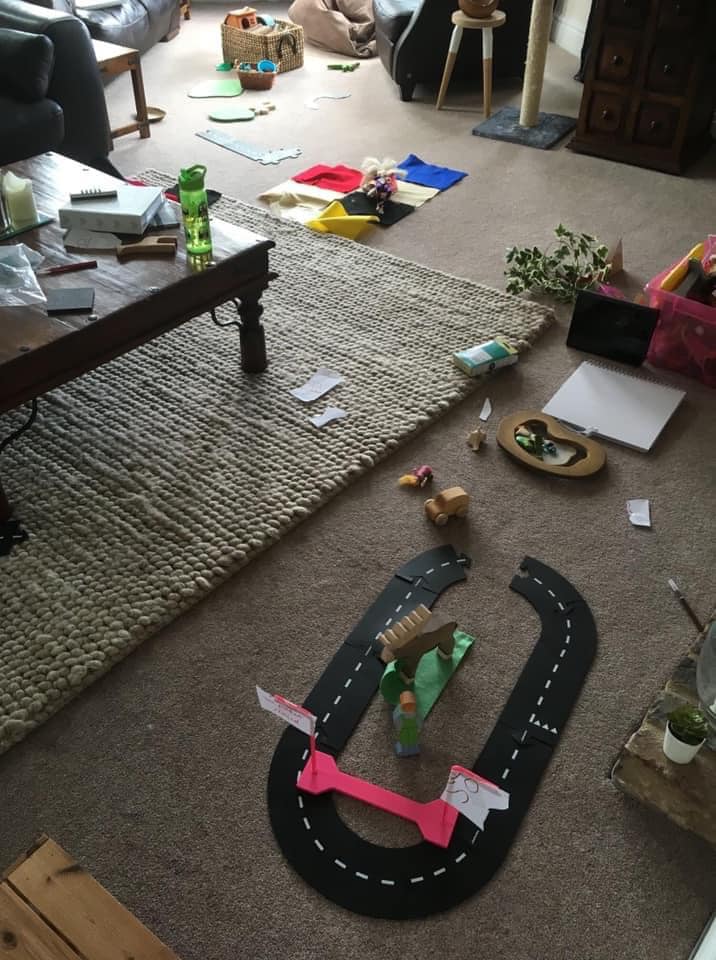
We allow the block city to remain standing overnight so its builder can return to it in the morning.
We leave the small world exactly as it was so children can pick up their story where they left off.
We understand that tidy doesn’t always mean “ready for learning” — sometimes, a little creative chaos is exactly what children need to feel immersed and inspired.
✨ Why It Ma...
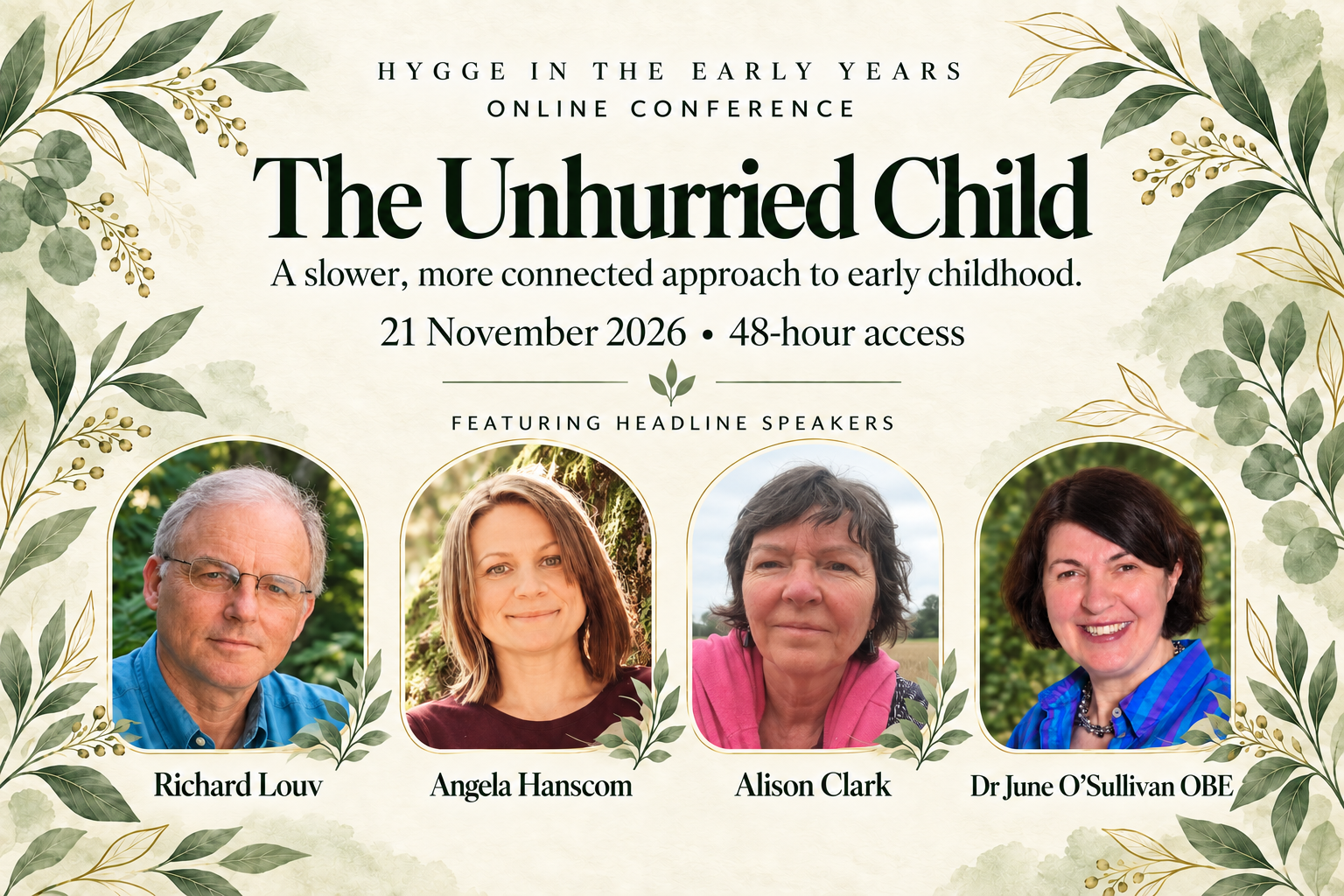
Online Conference
Online Conference
Curious about slow pedagogy?
”The Unhurried Child"
21st November 2026 (48 hour access)
A slower, more connected whole child approach to early childhood.
One inspiring online conference for educators ready to protect play, nurture wellbeing and give childhood back it's time.
